




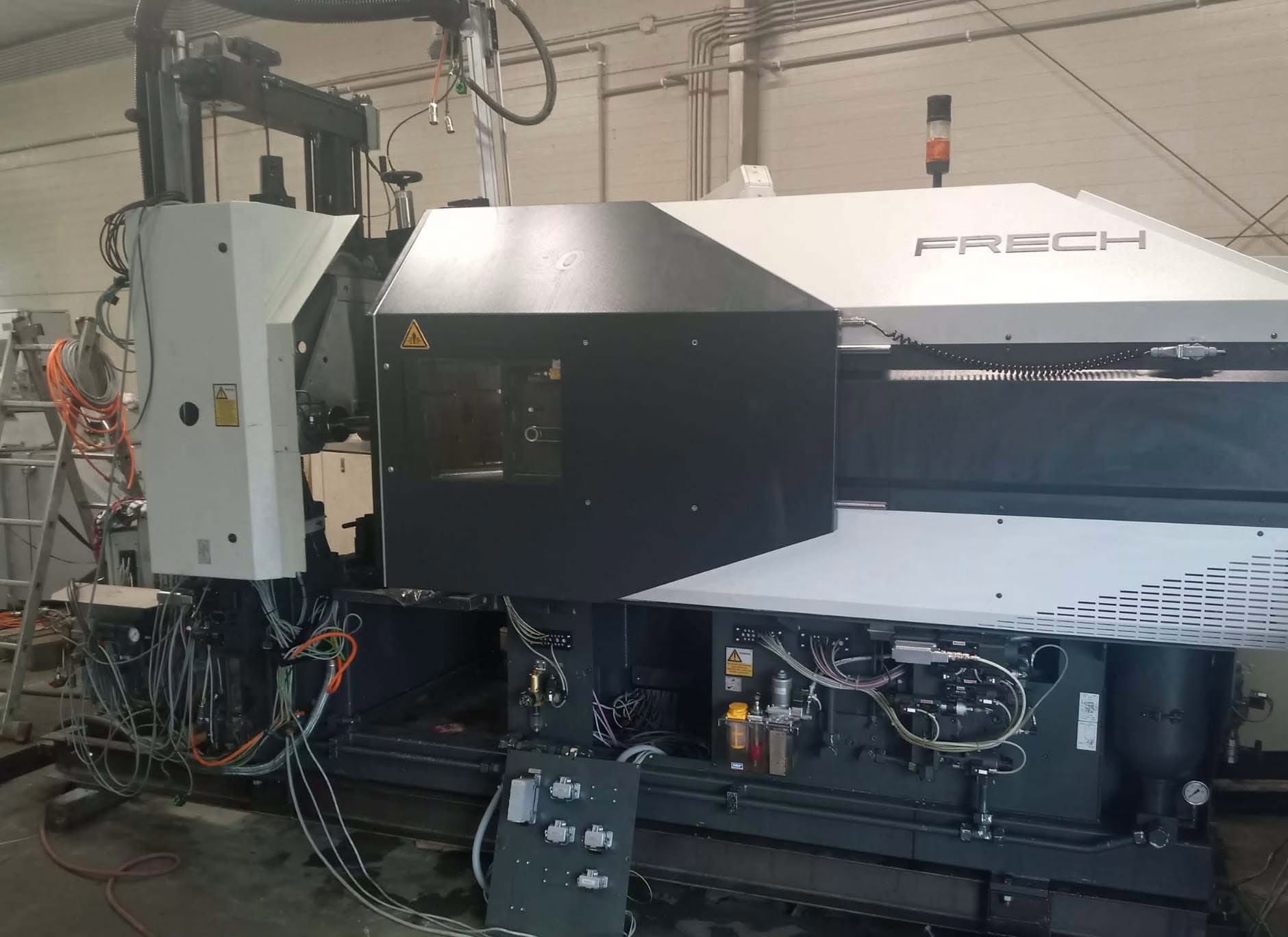
Inspection of a FRECH W80 Hot-Chamber Die Casting Machine
A professional inspection of the FRECH W80 supports the early detection of wear, reliable machine operation and stable long-term die casting production.
What is checked during a FRECH W80 inspection?
The inspection covers the main mechanical, hydraulic, thermal and electrical areas of the FRECH W80 hot-chamber die casting machine.
These include the hydraulic system, locking unit, melting and holding furnace, shot mechanism, electrical components and a general functional check with fine adjustment.
Detect wear before it causes downtime
During production, the hydraulic system, locking unit, injection system, furnace technology and electrical components are continuously exposed to operational stress.
A structured inspection can identify deviations, leaks and wear at an early stage and support the planning of necessary maintenance measures.
Systematically inspect machine areas
Relevant assemblies are inspected for function, wear and visible damage.
Plan preventive measures
Identified deviations provide the basis for targeted maintenance or repair work.
Optimise machine operation
After inspection, settings can be checked and adjusted to support smooth operation.
Which machine areas are included in the service?
The inspection covers six central functional areas of the hot-chamber die casting machine.
Pump, valves and hoses
The hydraulic components are inspected for leaks, wear and visible functional deviations.
- Inspection of the hydraulic pump
- Inspection of the hydraulic valves
- Inspection of the hoses
- Leak inspection
Locking force and wear parts
The locking-force unit is inspected and maintained. Wear parts are assessed for their current condition.
- Inspection of the locking-force unit
- Inspection of movement sequences
- Inspection of seals
- Inspection of damping elements
Melting and holding furnace
The temperature control and heating elements are inspected to support a reliable supply of molten metal.
- Inspection of temperature control
- Inspection of the heating elements
- Assessment of heating performance
- Inspection of furnace operation
Plunger, nozzle and injection cylinder
Components of the injection system are inspected for wear and possible damage.
- Inspection of the plunger
- Inspection of the nozzle
- Inspection of the injection cylinder
- Damage inspection
Control system, sensors and wiring
Electrical components are inspected for proper operation and visible condition.
- Inspection of the control system
- Inspection of the sensors
- Inspection of the wiring
- Replacement where required
Functional check and fine adjustment
The machine functions are checked and relevant settings are optimised at the end of the inspection.
- General functional check
- Inspection of machine sequences
- Adjustment of important parameters
- Fine optimisation of the machine
From machine assessment to fine adjustment
The individual inspection stages are carried out in a structured manner so that the machine condition can be assessed transparently.
Machine assessment
The machine type, equipment, condition and visible abnormalities are recorded.
Component inspection
Hydraulic, mechanical, thermal and electrical areas are inspected.
Wear assessment
Seals, damping elements, hoses and other stressed components are assessed.
Functional check
The main machine movements and production functions are checked.
Fine adjustment
Relevant settings are optimised to support reliable production operation.
Inspection of the hydraulic pump, valves and hoses
The hydraulic system controls important movements of the die casting machine and must reliably provide the required pressures.
Inspect supply and function
The hydraulic pump is checked for proper operation and visible signs of wear.
Control of hydraulic movements
The valves are inspected for proper operation and possible leaks.
Inspect the condition of the lines
Hydraulic hoses are inspected for wear, damage and escaping hydraulic fluid.
Detect leaks at an early stage
A targeted inspection can reveal leaks before they develop into larger faults.
Inspection of the locking force and stressed components
The locking unit must keep the die securely closed during casting and perform its movements repeatedly and reliably.
During the inspection, the locking-force unit and relevant wear parts such as seals and damping elements are checked.
- Inspection of the locking-force unit
- Inspection of opening and closing movements
- Inspection of stressed seals
- Assessment of damping elements
- Inspection for visible wear
- Inspection for visible damage
- Assessment of maintenance requirements
- Replacement of wear parts where required
Inspection of temperature control and heating elements
The melting and holding furnace supplies the metal for the hot-chamber die casting process.
Stable temperature control and functional heating elements support consistent production conditions.
Check the control system
The temperature control is checked for proper function and the configured process values.
Assess heat generation
The heating elements are checked for function and visible performance deviations.
Optimise furnace operation
The inspection can provide indications of possible energy losses or required maintenance measures.
Inspection of the plunger, nozzle and injection cylinder
The injection system is one of the central process areas of a hot-chamber die casting machine.
Inspect the wear condition
The plunger is inspected for visible signs of wear and possible damage.
Inspect the metal transfer
The nozzle is inspected for its condition and visible impairments.
Assess movement and condition
The injection cylinder is checked for wear, damage and reliable operation.
Inspect the control system, sensors and wiring
Electrical and electronic components coordinate the machine functions and monitor important process conditions.
- Inspection of the machine control system
- Inspection of installed sensors
- Inspection of the electrical wiring
- Inspection of visible connection points
- Testing of relevant control functions
- Assessment of abnormal components
- Replacement of defective components where required
- Inclusion in the overall functional check
What benefits can regular machine inspections provide?
A professional inspection can support the continued use of the machine and help identify maintenance requirements at an early stage.
Longer service life
Wear detected at an early stage can be addressed in a targeted manner and support continued machine use.
Reduced downtime
Preventive maintenance can reduce unplanned production interruptions.
Optimised performance
Functional checks and fine adjustment can support stable and efficient machine operation.
Economical alternative
Targeted inspection and maintenance can be more economical than completely replacing the machine.
Inspection and fine adjustment for reliable production
After the individual machine areas have been inspected, their combined operation is checked.
- Inspection of basic machine functions
- Inspection of mechanical movement sequences
- Inspection of hydraulic functions
- Inspection of furnace operation
- Inspection of the shot mechanism
- Testing of electrical control functions
- Adjustment of relevant settings
- Fine optimisation for continued production
Technical support for hot-chamber die casting machines
FISS supports companies with the technical assessment, inspection and maintenance of used die casting machines.
- Long-standing experience with die casting machines
- Inspection of mechanical machine areas
- Inspection of hydraulic components
- Inspection of the furnace and temperature control
- Inspection of the shot mechanism
- Inspection of electrical components
- Assessment of wear and maintenance requirements
- Preventive maintenance measures
- General functional check
- Adjustment and fine-tuning
Further services for used die casting machines
Buy die casting machines
Available hot-chamber and cold-chamber machines as well as automated die casting cells.
Machine serviceService and technical support
Technical services for used die casting machines, peripheral equipment and foundry systems.
Machine purchaseSell a die casting machine
Technical assessment, international marketing and professional handling of used machinery.
Questions about the inspection of a FRECH W80
Which machine is inspected?
Which hydraulic components are inspected?
Is the locking unit also inspected?
What is checked on the melting and holding furnace?
Which components are included in the shot mechanism?
Are electrical components also inspected?
Is a final functional check carried out?
What benefits can the inspection provide?
Can other machine types also be inspected?
Would you like your FRECH W80 or another die casting machine to be technically inspected?
Send FISS the manufacturer, model, year of manufacture, machine location, known abnormalities, maintenance history and available photos. Our team will review the requirements and support you with inspection, preventive maintenance, functional testing and fine adjustment.
Telephone: +49 (0)7181 60696-0 · Email: info@fiss-machines.com


