





 Details
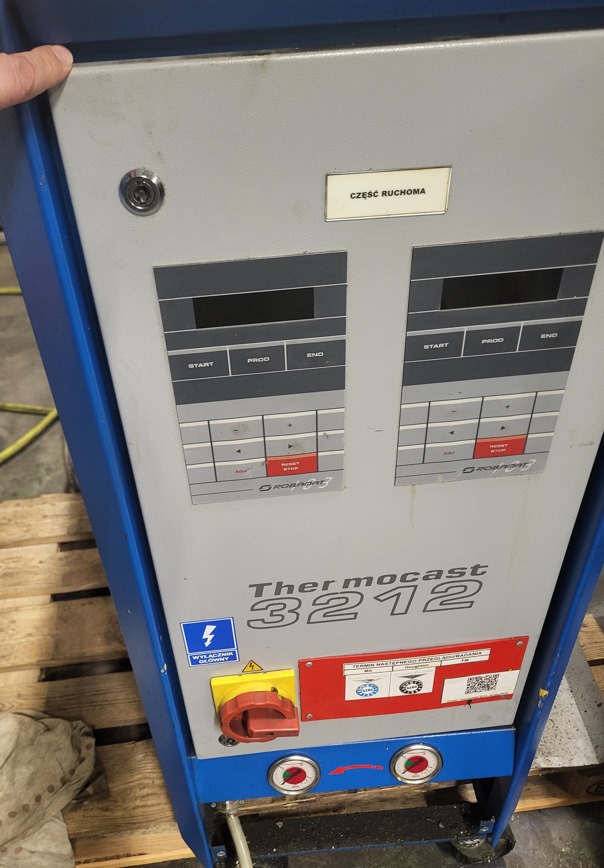
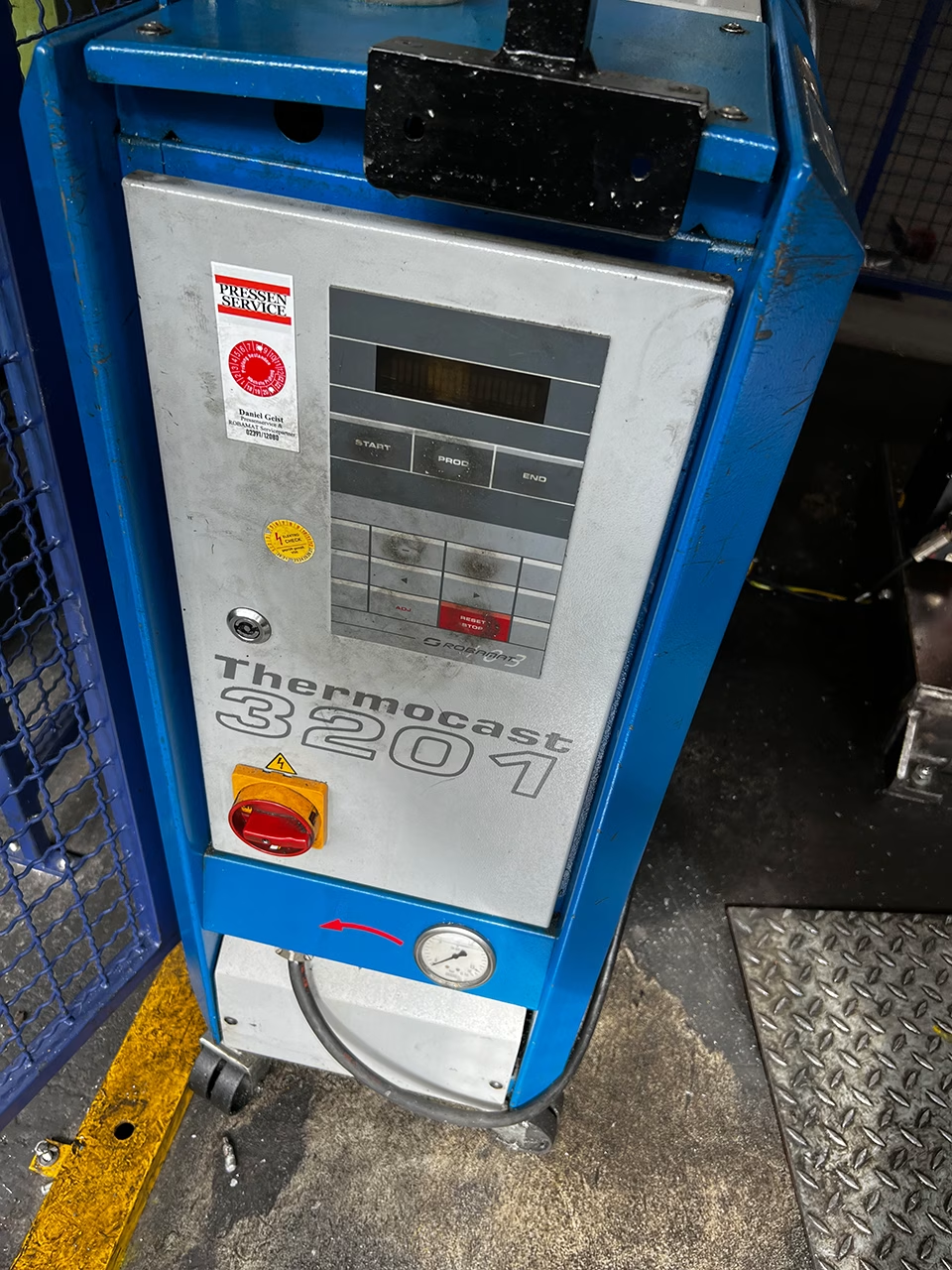
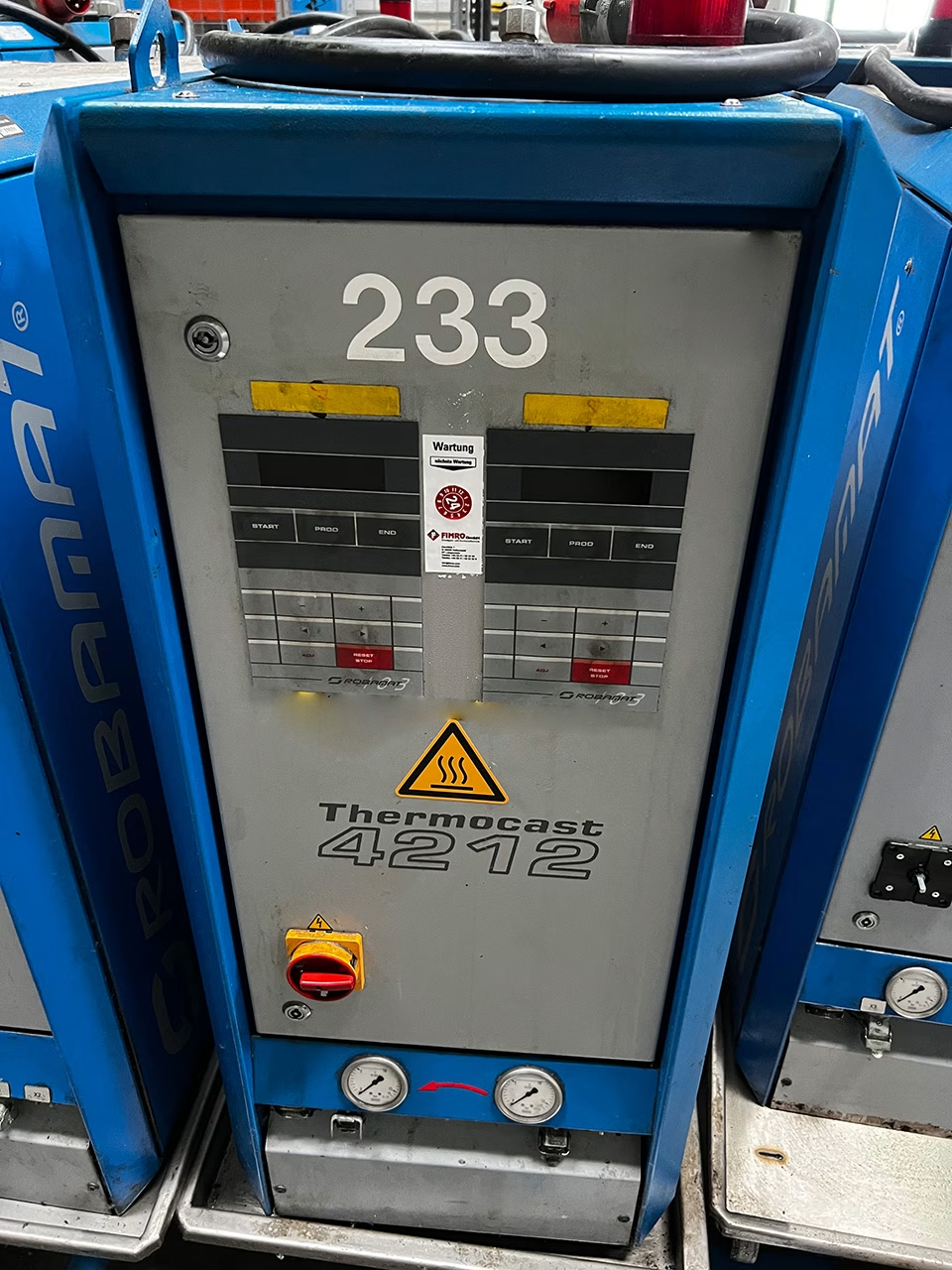
Temperature Control Units
Temperature control units heat, cool and stabilise die casting dies through a closed media circuit. They circulate water or heat transfer oil through the temperature-control channels of the die, influencing the heating phase, operating temperature, heat distribution and cooling during production.
The die temperature operates within a defined working window
A die casting die changes temperature with every casting cycle. The temperature control unit is intended to limit deviations, support production start-up and keep the intended thermal conditions as stable as possible during continuous production.
The temperature-control circuit connects the unit and the die
Temperature control operates as a complete circuit. The medium is conditioned within the unit, pumped to the die, absorbs or releases heat there and subsequently flows back to the unit.
Water or heat transfer oil?
The appropriate temperature-control medium depends on the required temperature range, die construction, operating conditions and available temperature control unit.
Water has favourable heat-transfer properties. Conventional water-based units frequently operate at temperatures of up to approximately 90 °C. Depending on their design, pressurised-water units can permit higher flow temperatures.
Heat transfer oil is used for higher flow temperatures. Depending on the unit and medium, considerably higher temperature ranges can be achieved than with conventional water-based units.
One circuit or several separate temperature zones?
The number of temperature-control circuits determines how independently individual die areas can be supplied. A multi-circuit unit is useful only when the die connections, pump capacity and control system match the intended circuit division.
Which technical data determine suitability?
The maximum temperature alone is not sufficient when assessing a used temperature control unit. The complete heat demand and the hydraulic connection to the die must also be considered.
How does temperature control influence the casting process?
The temperature control unit does not create component quality on its own. It does, however, provide a controllable thermal foundation for the die, molten metal and repeatable process sequences.
Used temperature control units from various manufacturers
Depending on availability, FISS lists temperature control units from established manufacturers. However, the unit specifications, condition and intended application are more important for technical assignment than the brand name alone.
Technical inspection of a used temperature control unit
Before purchase and reuse, the media circuit, heating system, cooling system, pump, control system and actual scope of supply should be tested under realistic conditions.
Temperature control units within hot chamber automation
Temperature control influences the die throughout the complete production sequence. It must therefore be coordinated with die spraying, the machine cycle and the existing control system.
Refurbishment and adaptation to a new temperature-control circuit
Depending on their condition, used temperature control units can be cleaned, technically inspected, repaired and adapted to a new die or different production environment.
Buy or sell used temperature control units
FISS supports the search for a suitable temperature control unit and its technical assignment based on the temperature-control medium, flow temperature, heating and cooling capacity, pump data, number of circuits, electrical equipment and existing die connections. If no suitable used unit is currently listed, FISS can search its international network for alternatives or offer a factory-new solution depending on the project.
When selling equipment, FISS supports condition assessment, technical documentation and international marketing of individual temperature control units and complete hot chamber die casting cells. In addition to brokerage and international marketing, direct purchase by FISS may also be an option depending on the project.
