





 Details
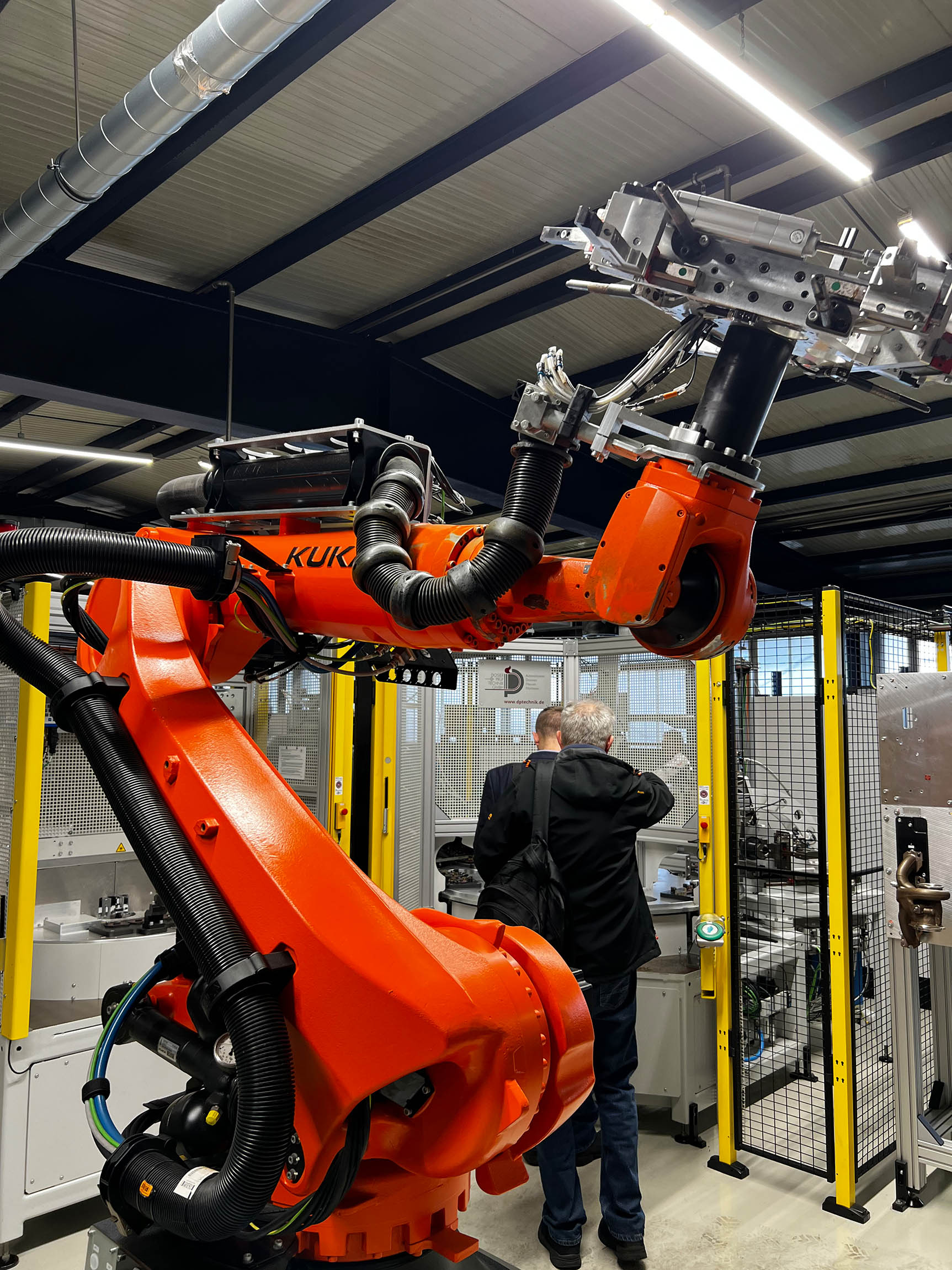
Dosing and charging
Metal loaders, ladles, dosing furnaces and metal dosing units ensure that molten metal reaches the shot chamber with repeatable accuracy. This is essential for constant shot weights and reproducible casting processes.
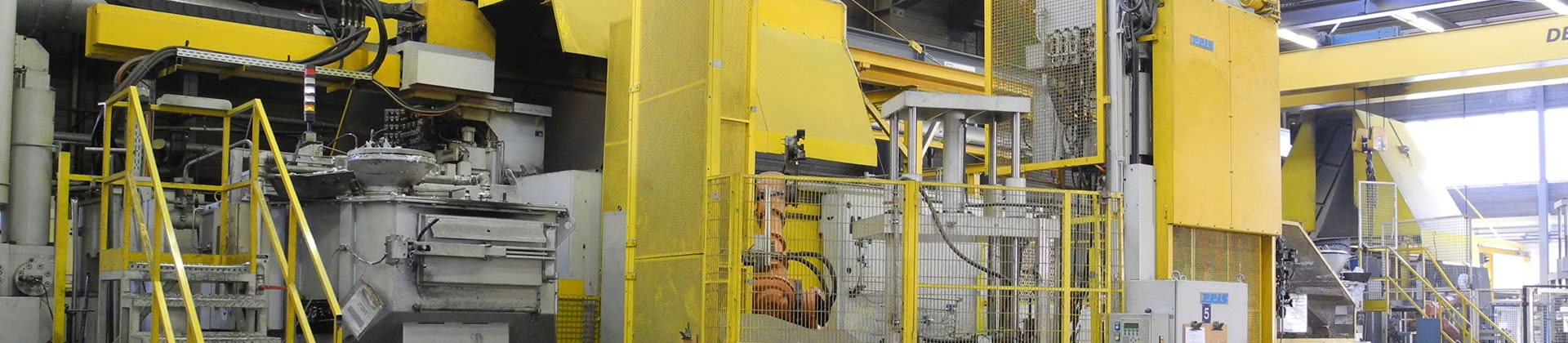
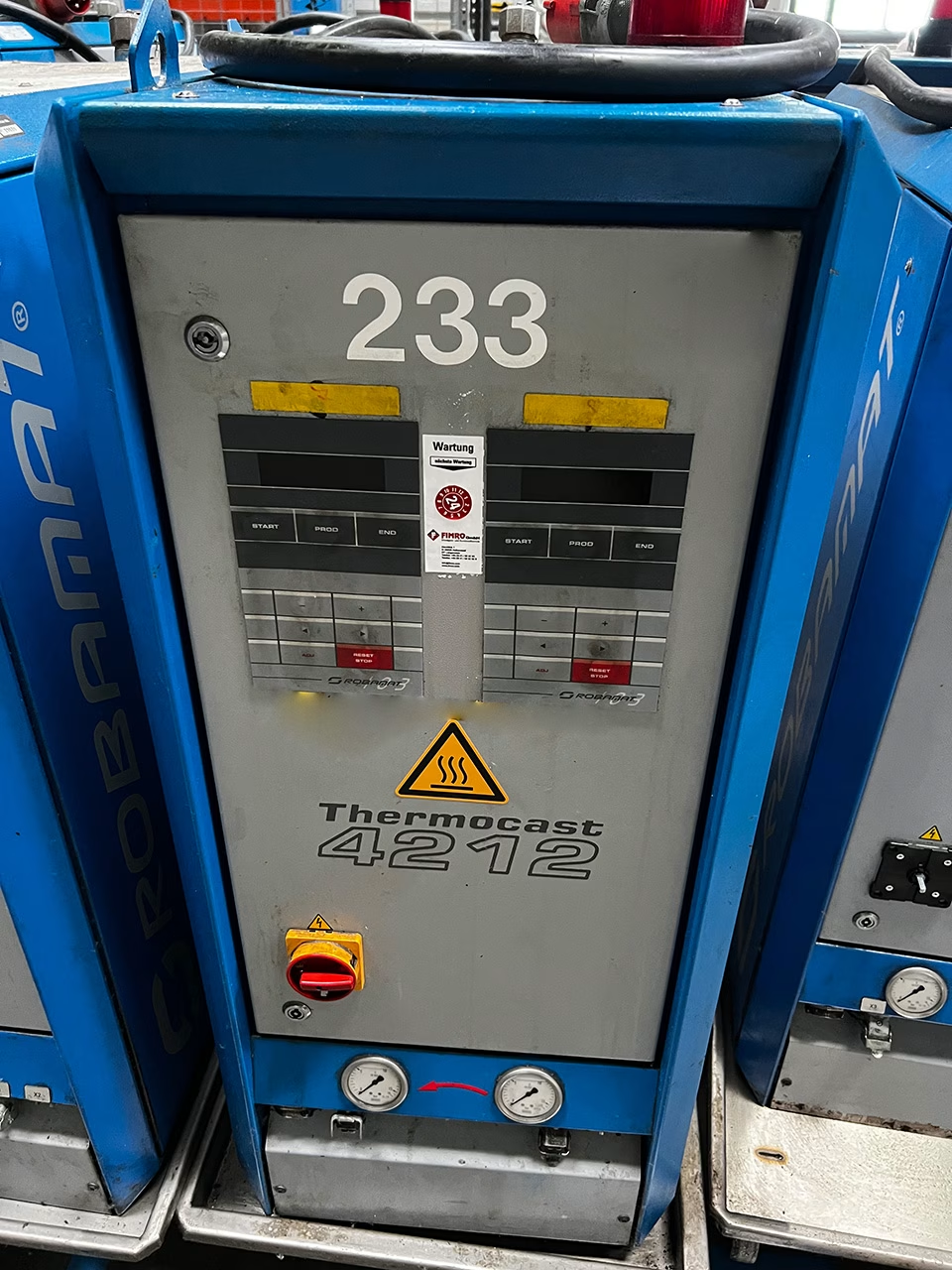
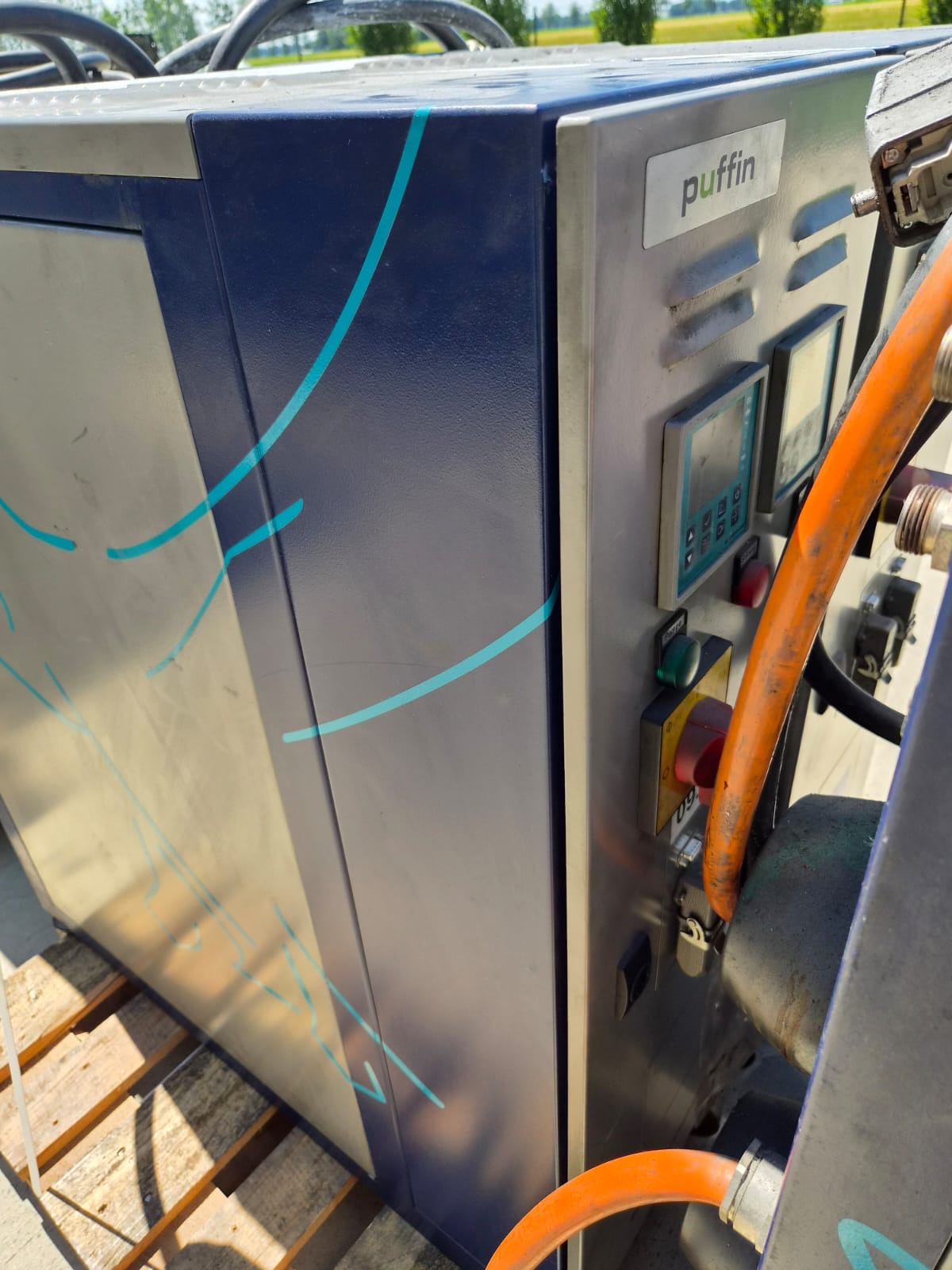
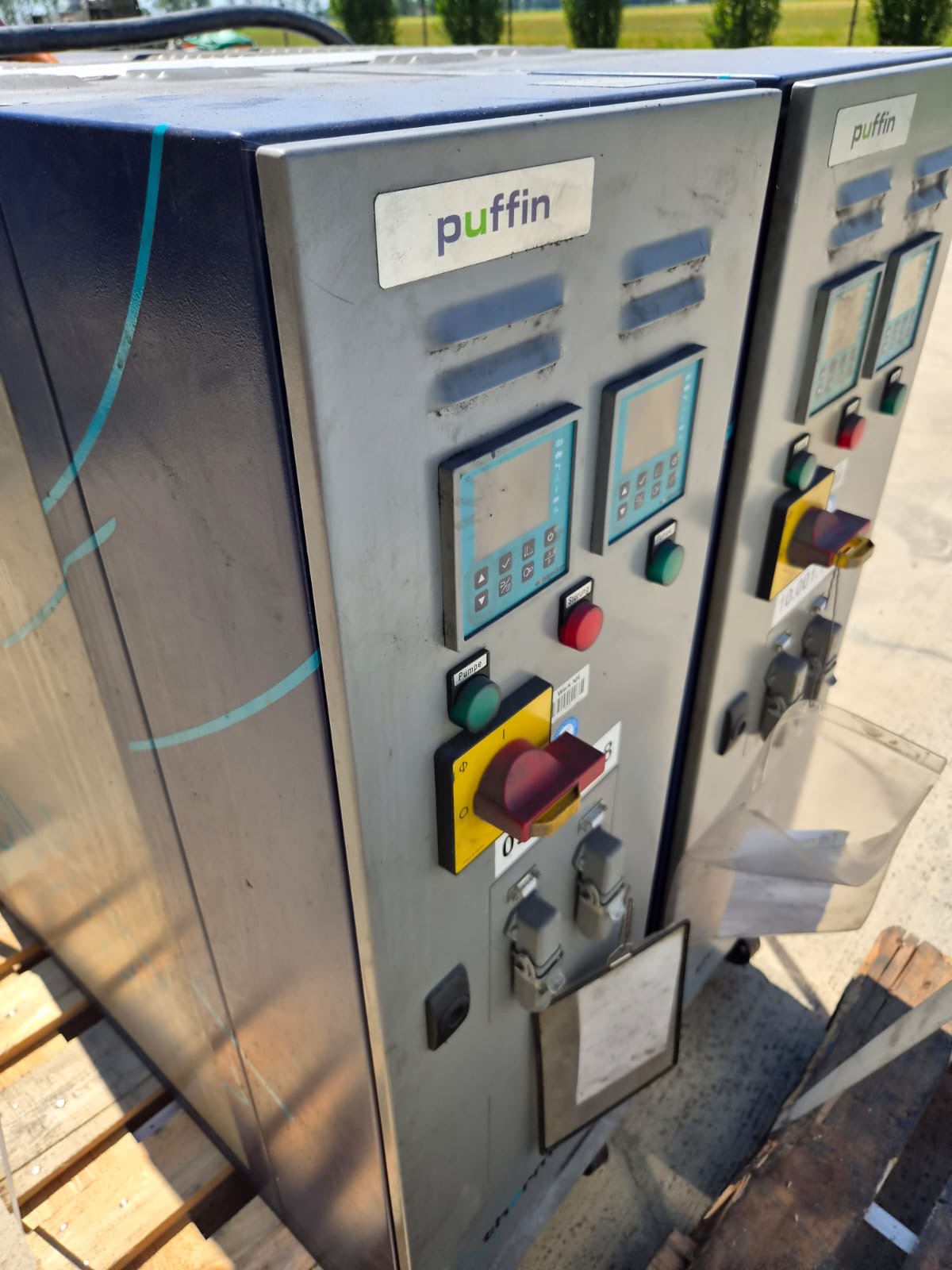
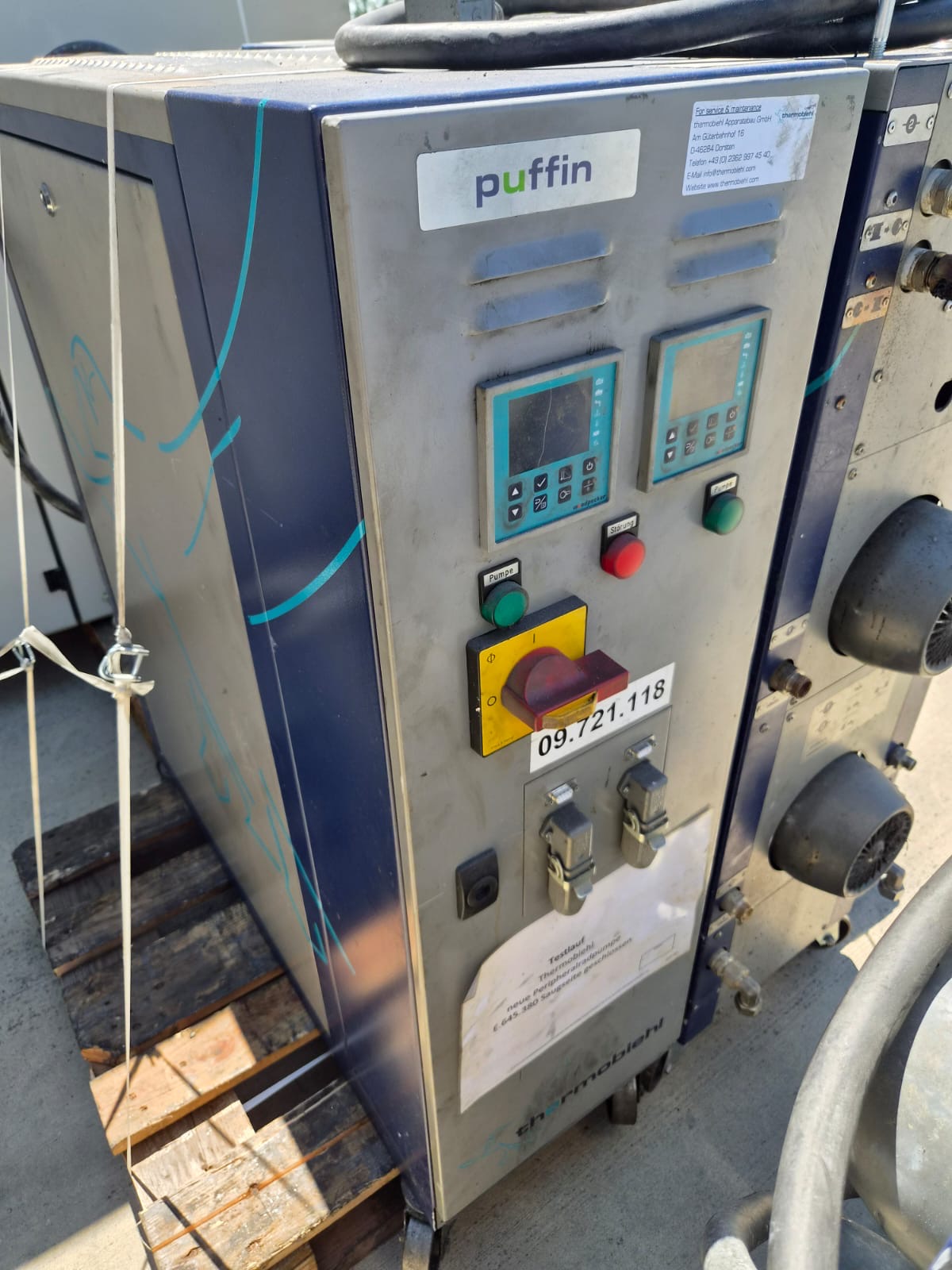
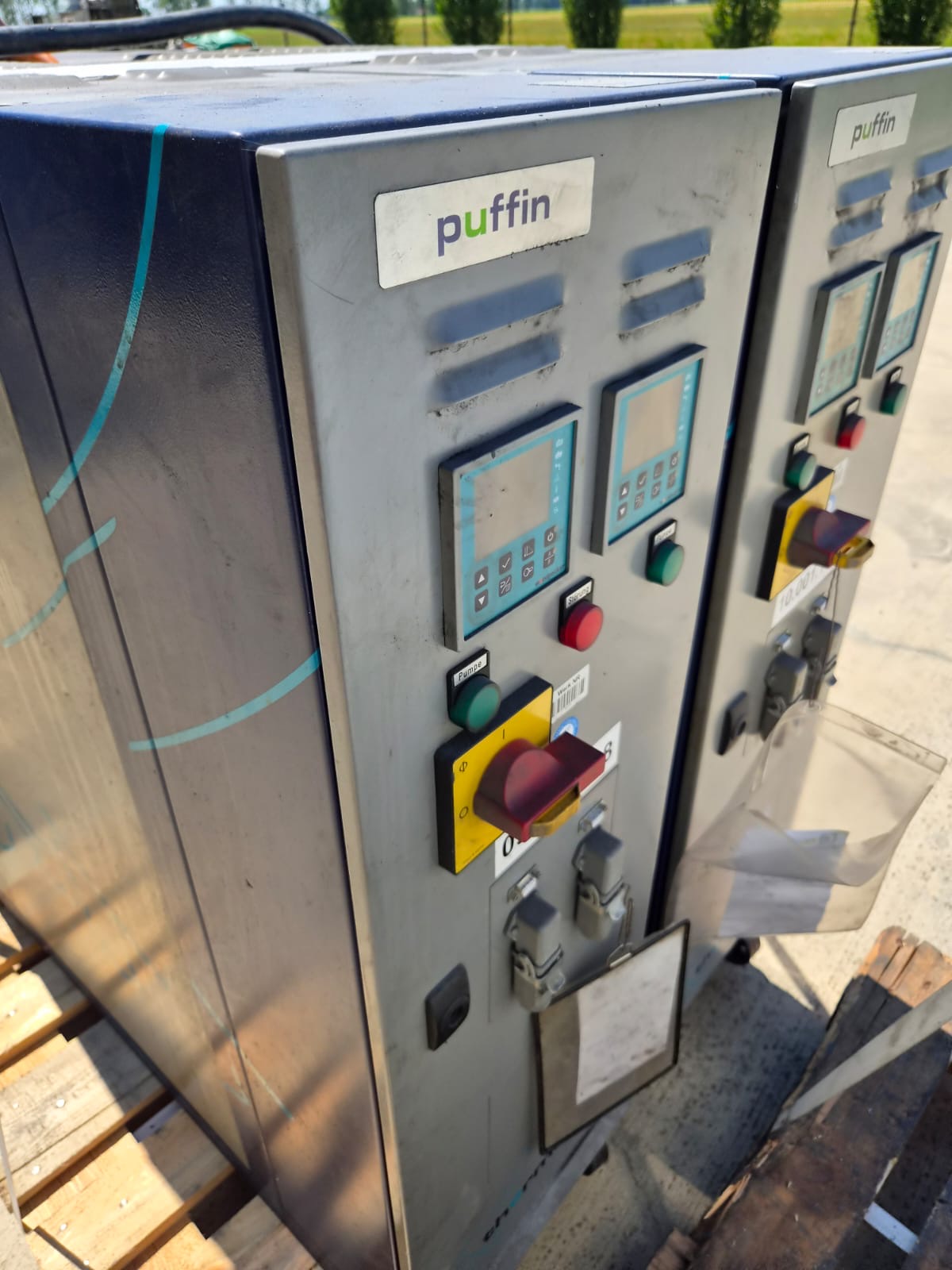
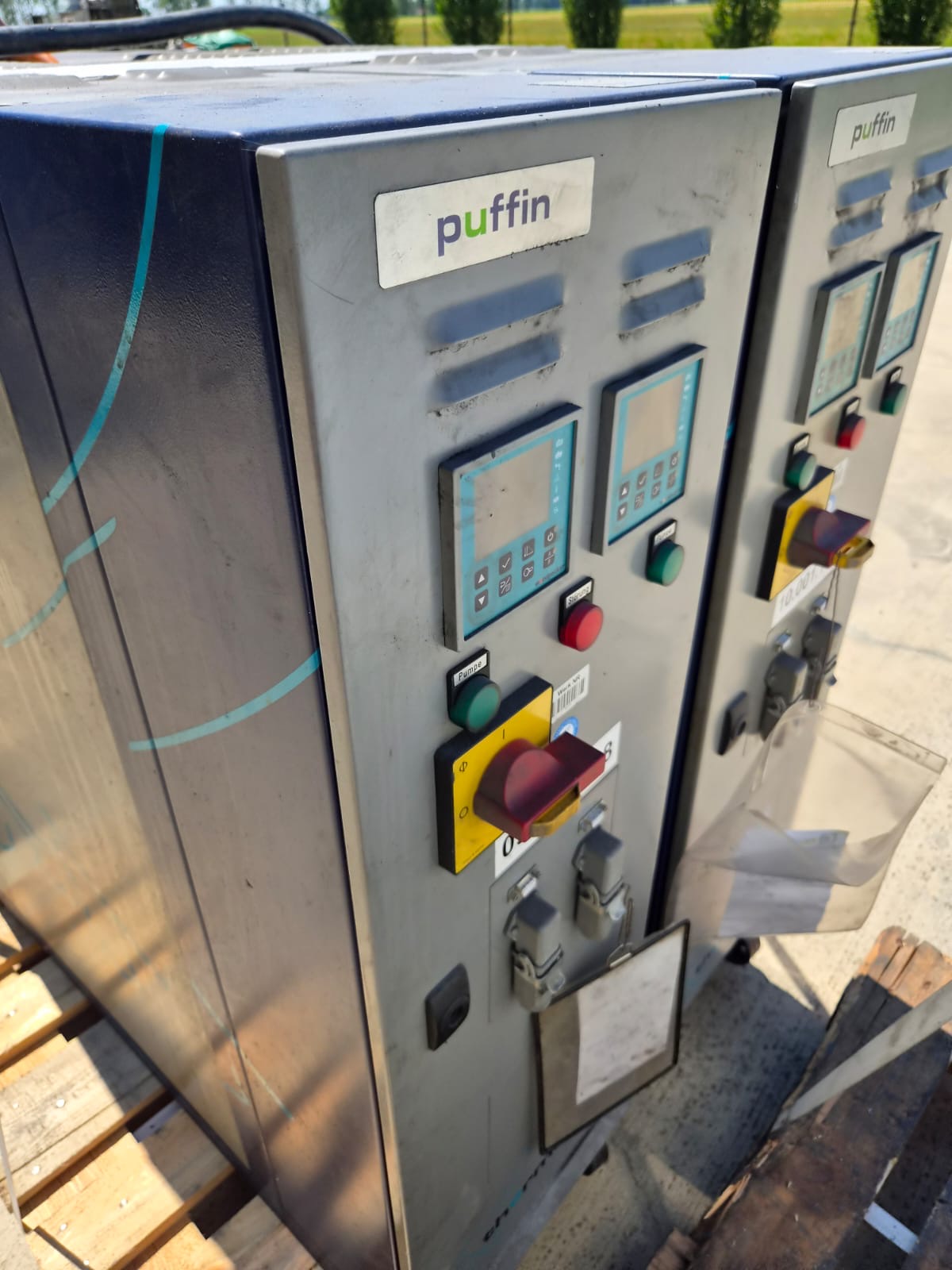
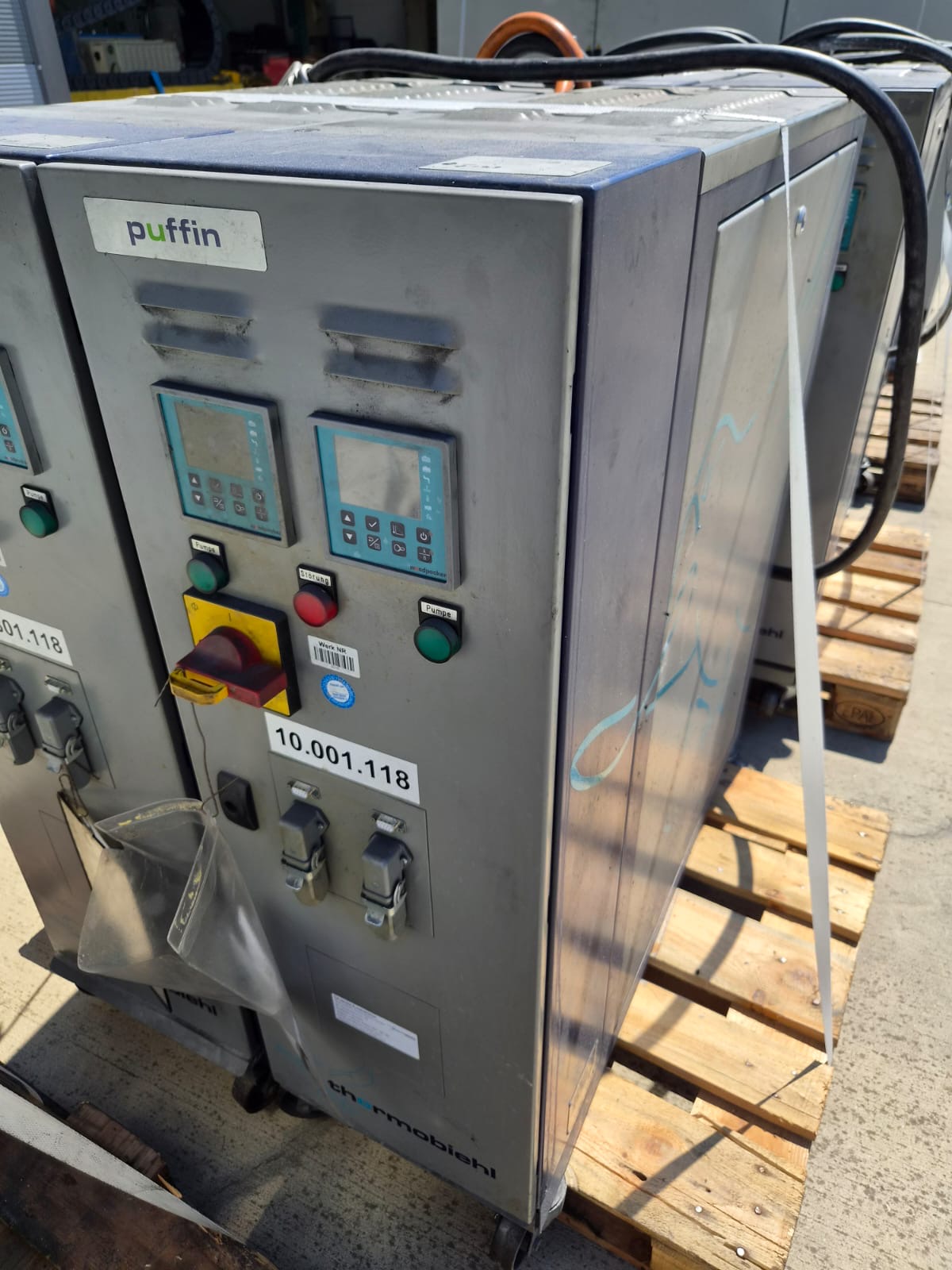
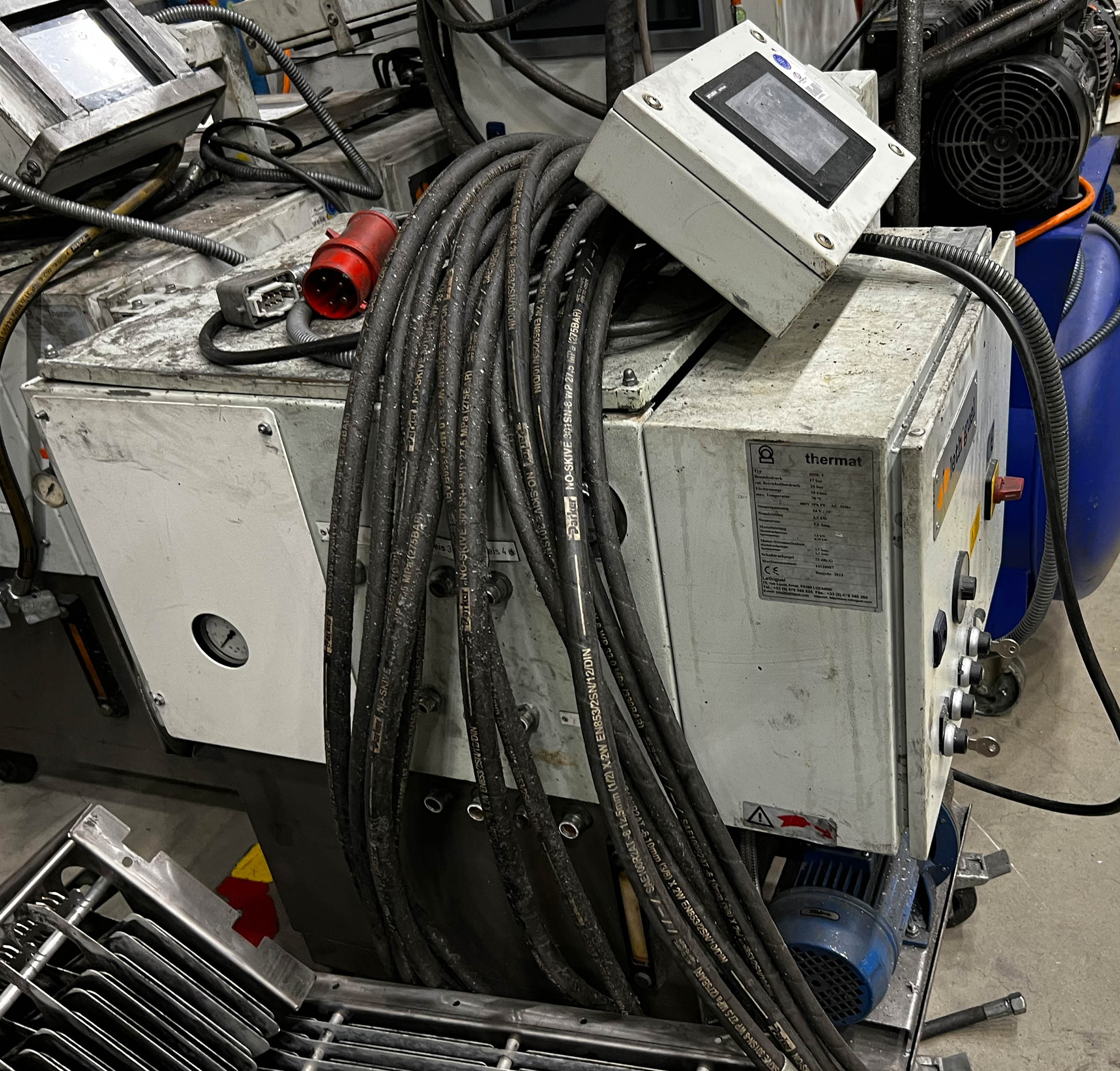
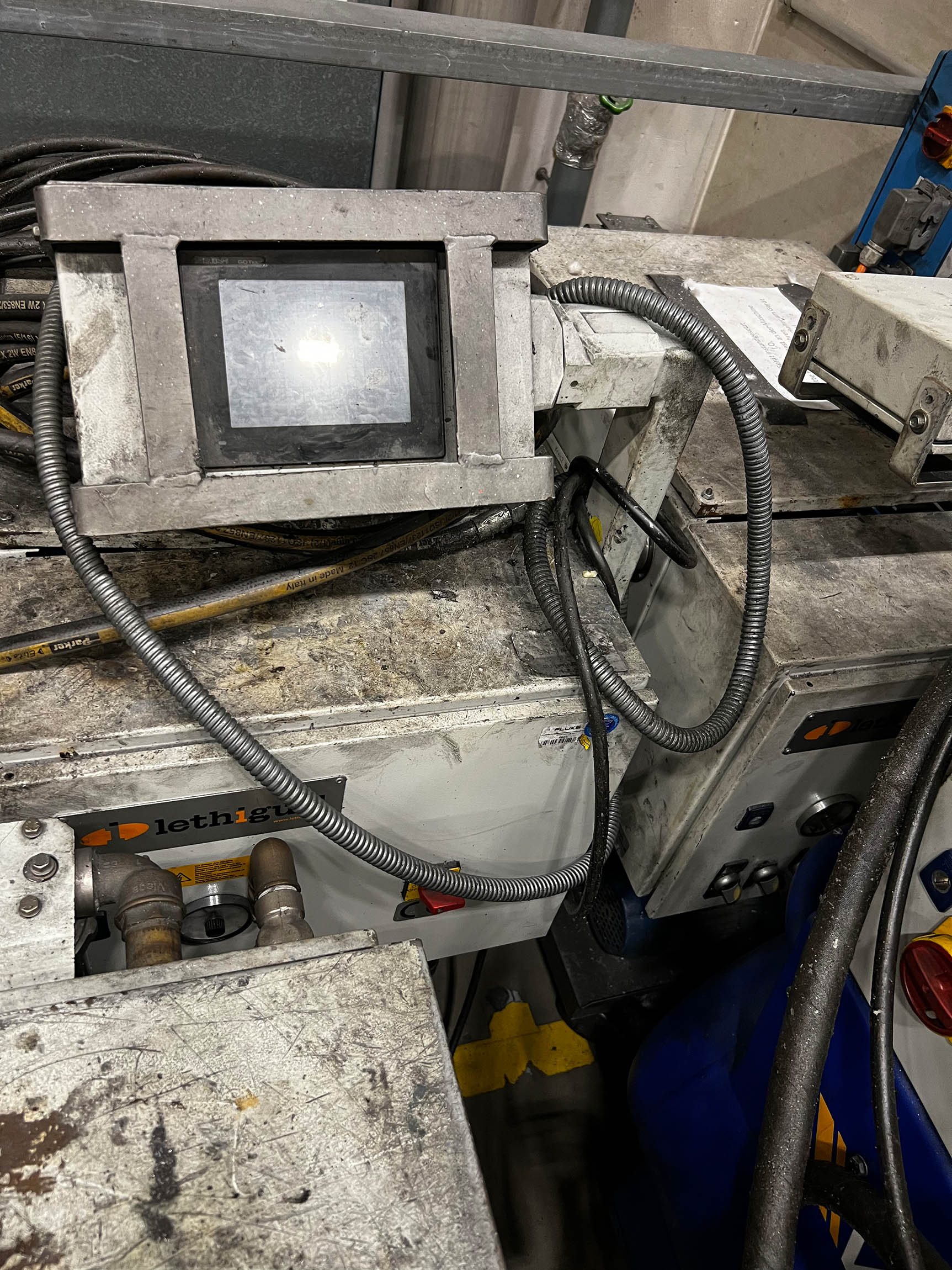
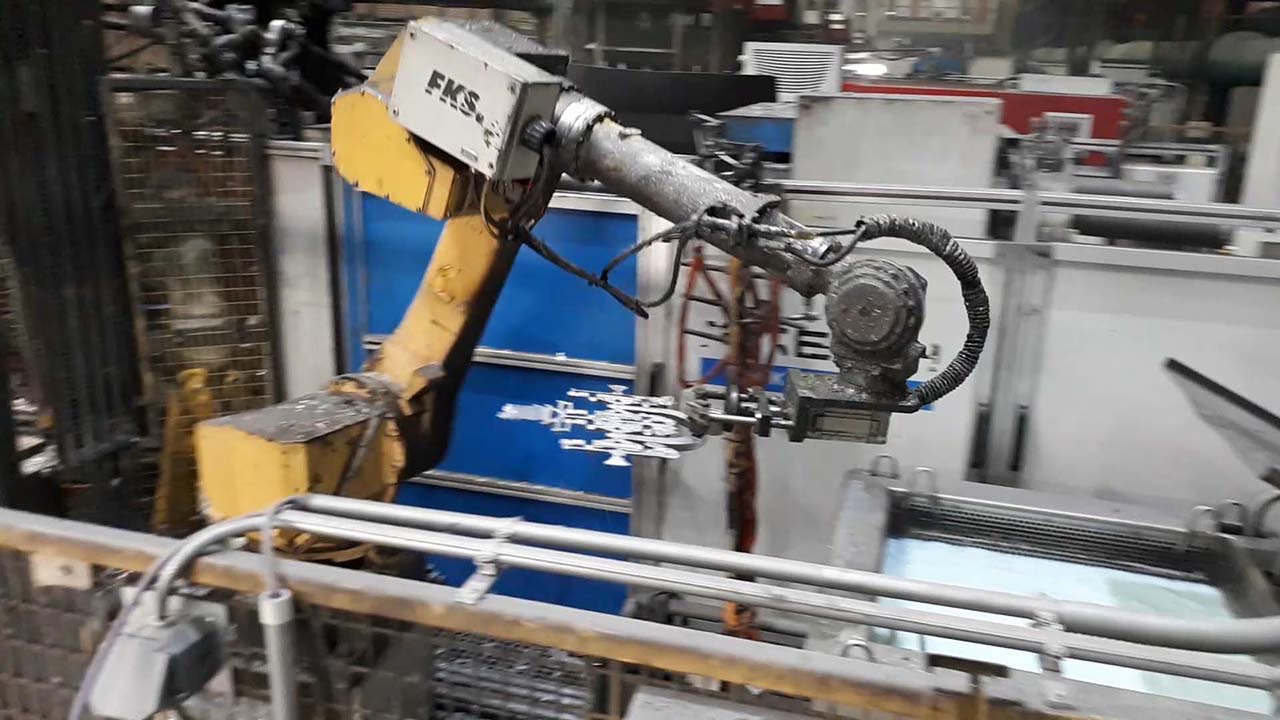
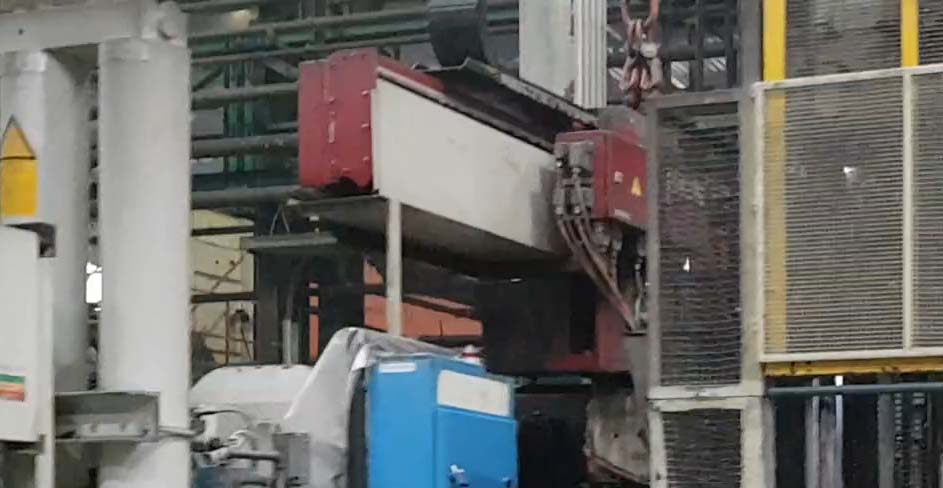
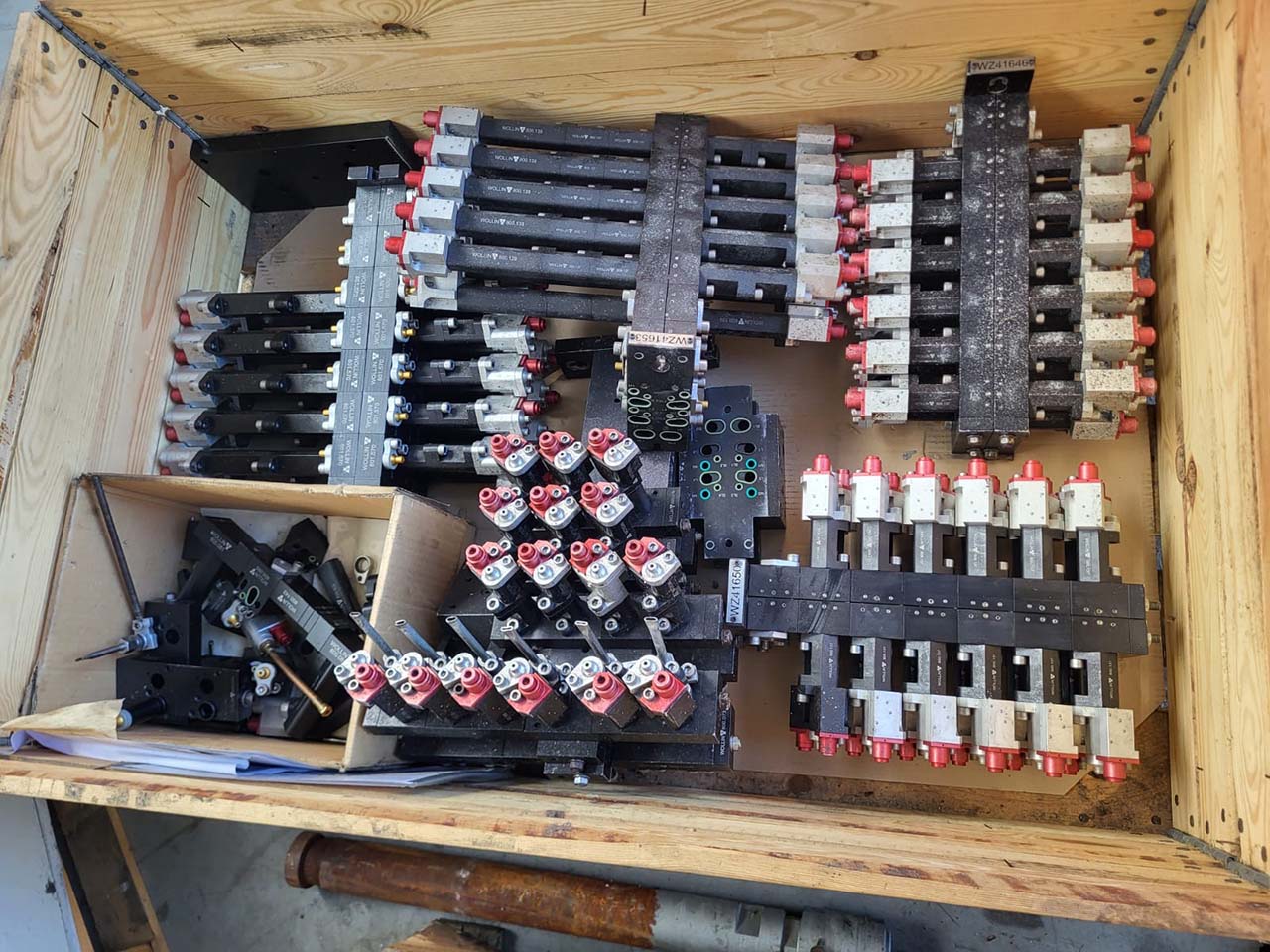
Automation in cold chamber die casting connects individual peripheral devices into a coordinated die casting cell. The goal is not only higher speed, but a stable production process: dosing molten metal, preparing the die, extracting the casting, cooling, checking and trimming.
Especially in aluminium die casting with high production volumes, the peripheral equipment determines whether a cold chamber die casting machine can operate reliably and economically. Used automation equipment can therefore be a smart solution when existing systems need to be expanded, individual stations replaced or complete die casting cells rebuilt.
An automated cold chamber die casting cell consists of several stations that work together in timing and process control. The better dosing, spraying, extraction, temperature control and post-processing are coordinated, the more stable the production process becomes.
Automation in cold chamber die casting includes all devices that support the casting cycle around the cold chamber die casting machine. This includes metal dosing, die spraying, extraction, temperature control, cooling, inspection, marking and trimming.
FISS Machines offers used automation equipment as individual units or as part of complete die casting cells. Particularly relevant systems include metal dosing units, die spraying machines, foundry robots, temperature control units and trimming presses.
Metal loaders, ladles, dosing furnaces and metal dosing units ensure that molten metal reaches the shot chamber with repeatable accuracy. This is essential for constant shot weights and reproducible casting processes.
Die spraying machines, spraying tools and temperature control units influence die temperature, release agent application and cycle time. They help reduce thermal fluctuations and production interruptions.
Foundry robots and extraction units handle hot castings safely. In foundry environments, payload, reach, protection class, grippers and machine interfaces are especially important.
Used automation should not be selected by year of manufacture or brand alone. The decisive question is whether the equipment matches the existing cold chamber die casting machine, die, component size, cycle time and desired level of automation.
Not every system needs to be fully automated. In many projects, it is enough to automate selected process steps, such as molten metal dosing, die spraying or casting extraction. For high production volumes, however, a complete automation chain can be economically beneficial.
Selecting the right setup requires a close look at the existing process: Which station limits the cycle time? Where do scrap, downtime or manual risks occur? Which peripheral equipment is already available, and which components need to be added or replaced?
FISS Machines supports industrial companies in buying and selling used automation equipment for cold chamber die casting. If a specific unit is not currently listed online, FISS can search its international network and check suitable solutions.
When selling used peripheral equipment, FISS Machines supports technical evaluation, international marketing, buyer communication and project handling. In addition to brokerage and marketing, direct purchase by FISS may also be an option depending on the project.
