




Knowledge About Die Casting, Machines and Foundry Technology
The FISS Knowledge Center provides practical technical articles on die casting machines, casting processes, automation, furnace technology and process optimization. We explain technical relationships clearly and show which machines, systems and peripheral equipment are suitable for different production requirements.
From cold chamber and hot chamber die casting to mold filling and vacuum, automated die casting cells and molten metal supply, the articles combine technical fundamentals with practical experience from industrial machinery and foundry applications.
Knowledge
Filter products
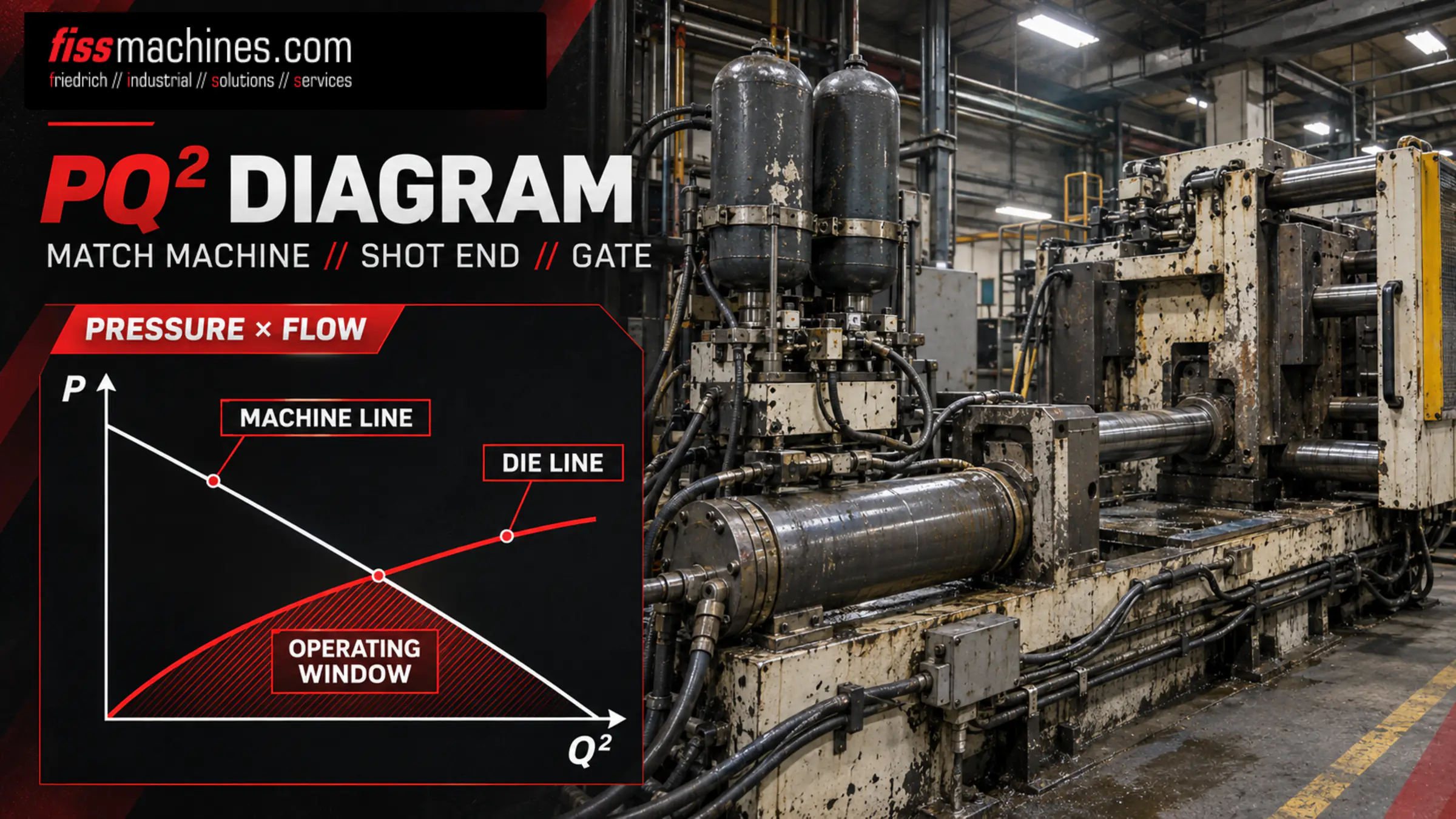
PQ² Diagram in Die Casting: Matching Machine, Shot End and Gate
November 26, 2026
Knowledge
Can this shot end fill this die? The PQ² diagram compares machine line and die line on one chart. This article explains both lines, the operating window and how to check a used shot end against a die.
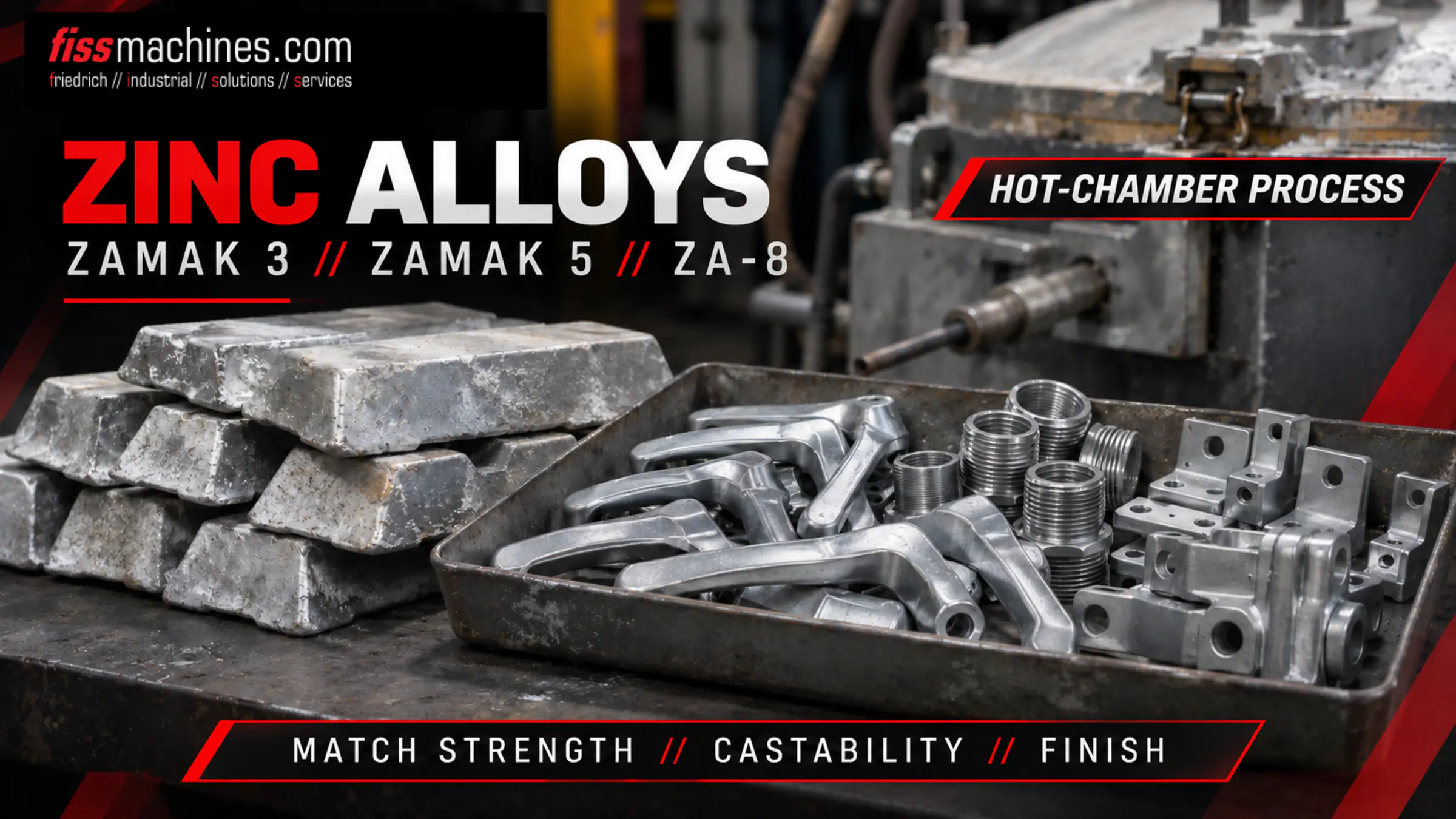
Zinc Die Casting Alloys: Zamak 3, Zamak 5, ZA-8 and Their Properties
November 25, 2026
Knowledge
Zamak 3, Zamak 5 and ZA-8 look similar on paper but behave differently in service. Designations, compositions, impurities, ageing and creep – and what they mean for the hot chamber machine.
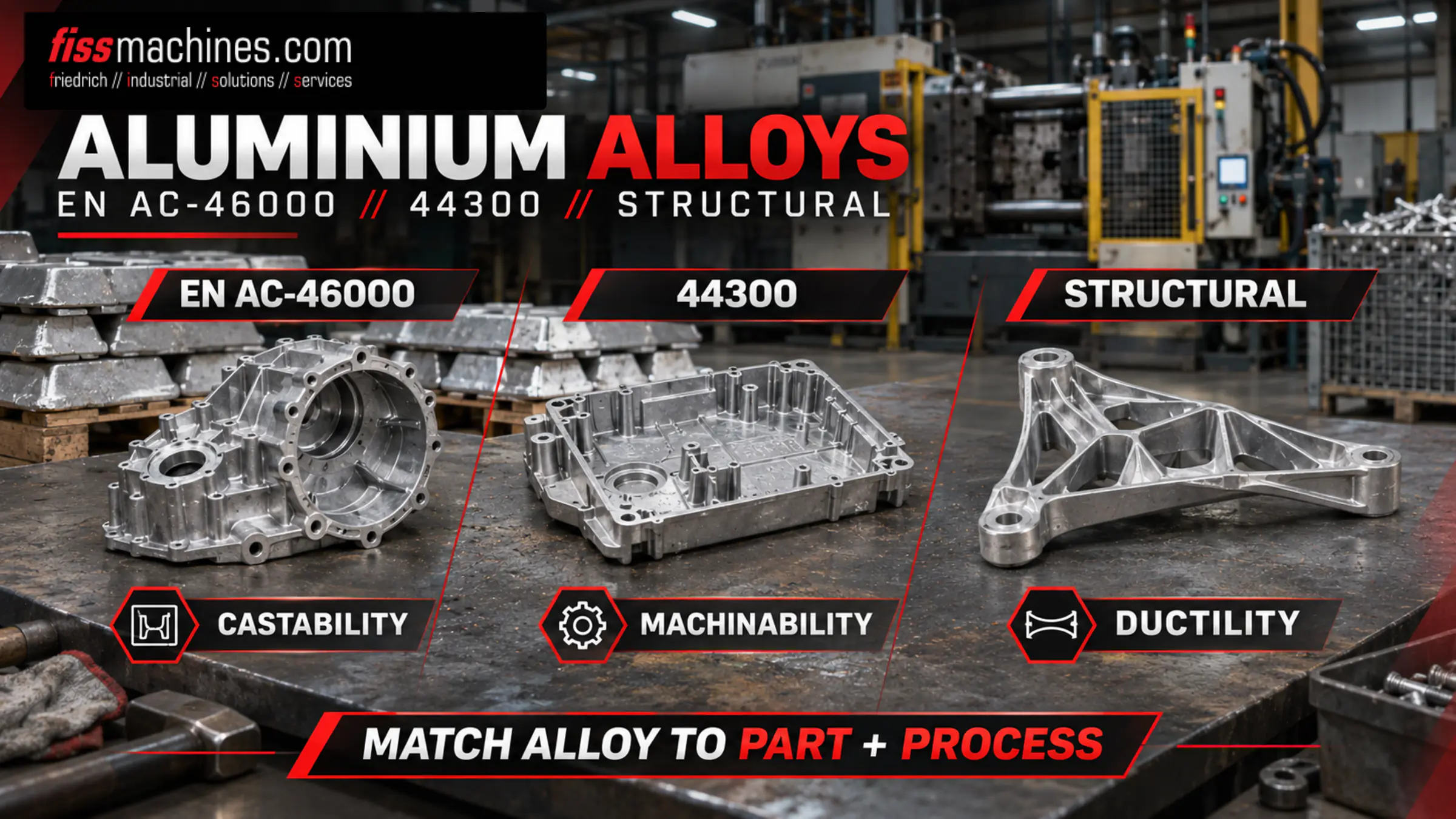
Aluminium Die Casting Alloys: EN AC-46000, 44300 and Structural Alloys Compared
November 24, 2026
Knowledge
EN AC-46000, AlSi12(Fe) or a low-iron structural alloy? How EN 1706 designations work, what the (Fe) means and how the main high pressure die casting alloys differ.
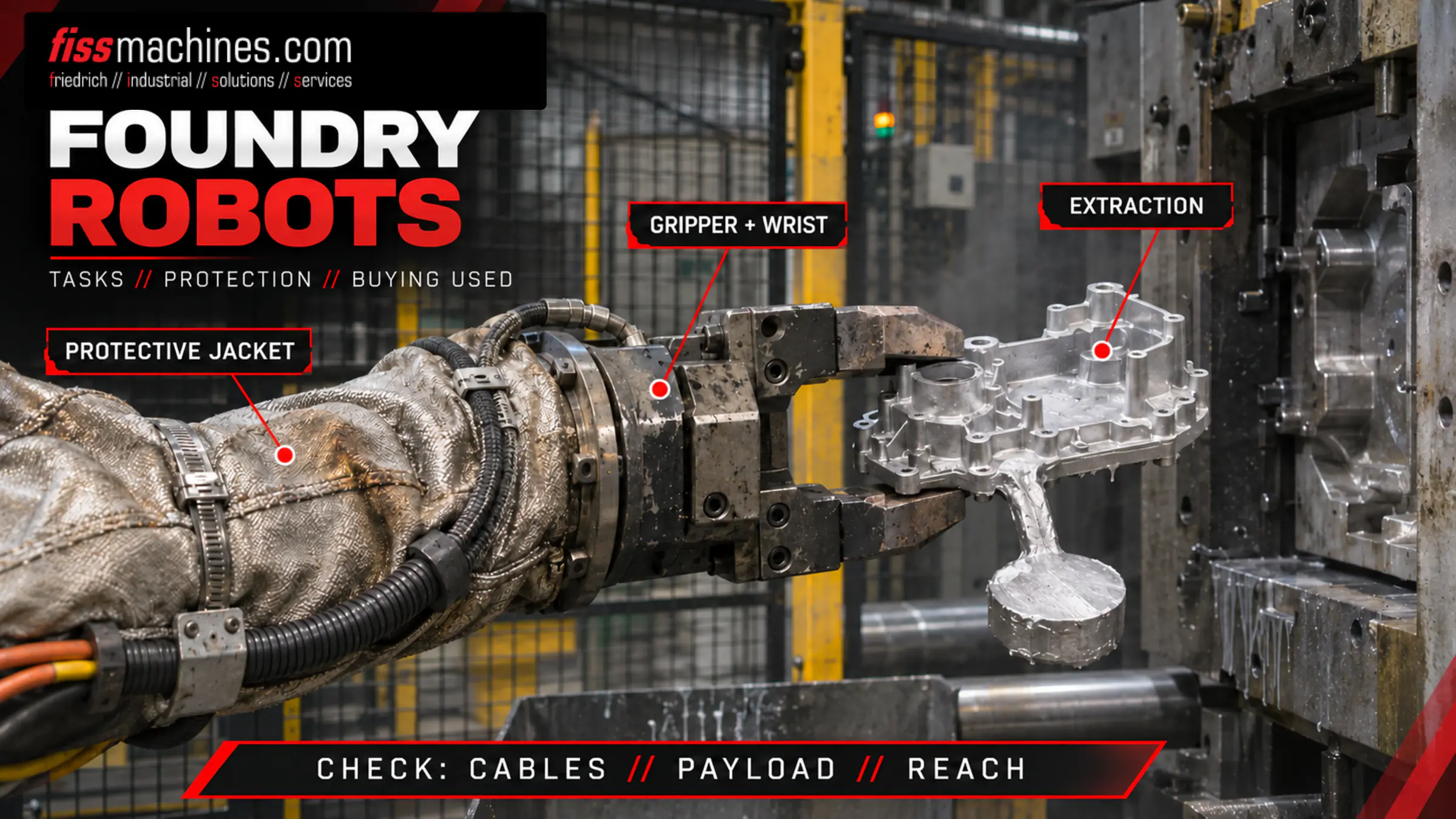
Foundry Robots in Die Casting Cells: Tasks, Protection and Buying Used
November 23, 2026
Knowledge
Extraction, ladling, spraying or press loading: what a foundry robot in a die casting cell must withstand, how to size payload and reach, and what to check before buying a used robot.
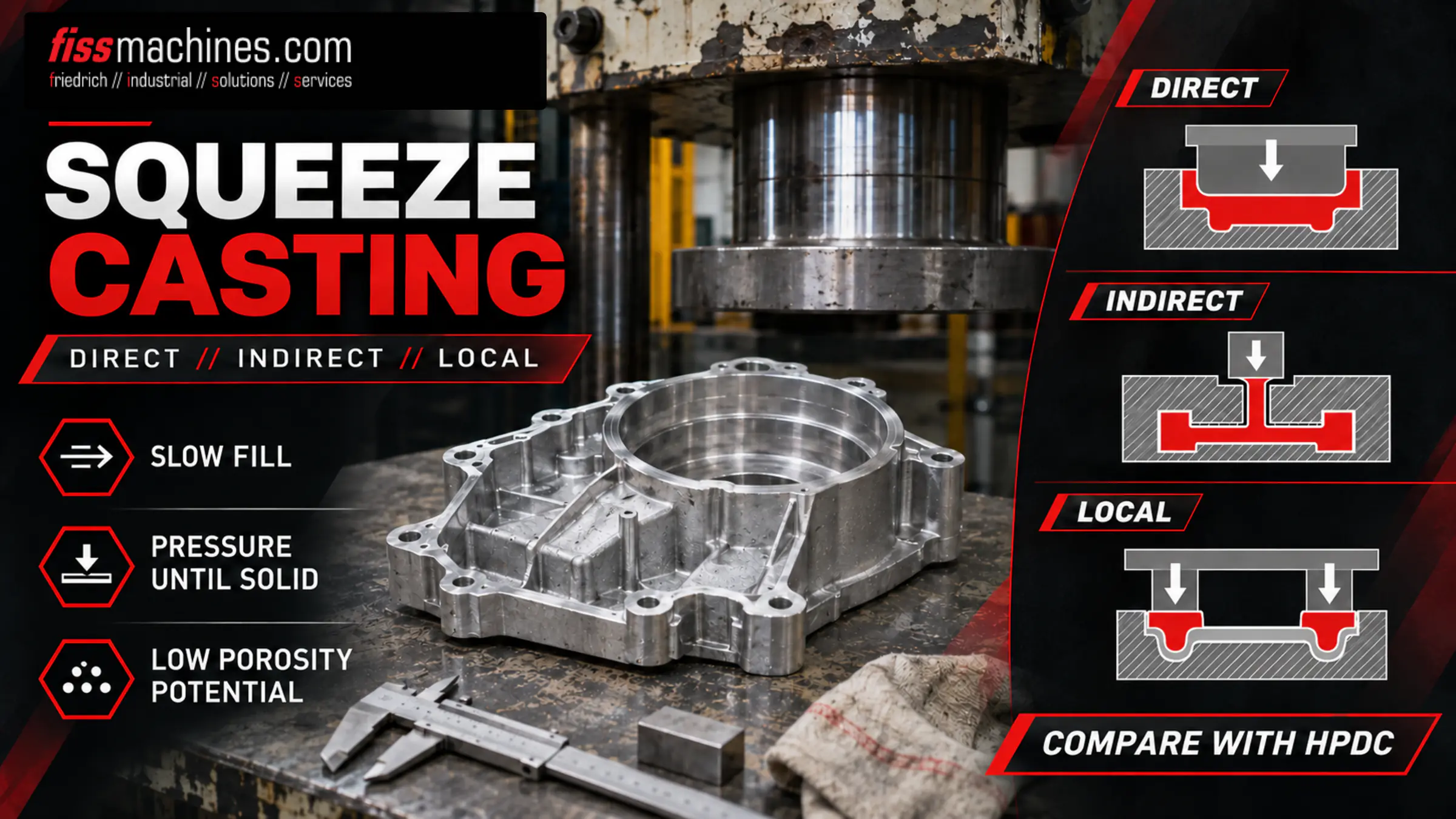
Squeeze Casting Explained: Direct, Indirect and Local Squeeze Compared with HPDC
November 22, 2026
Knowledge
Slow, calm filling and high pressure until the part is solid: how direct and indirect squeeze casting work, what local squeeze pins do in HPDC dies, and when the process beats conventional die casting.
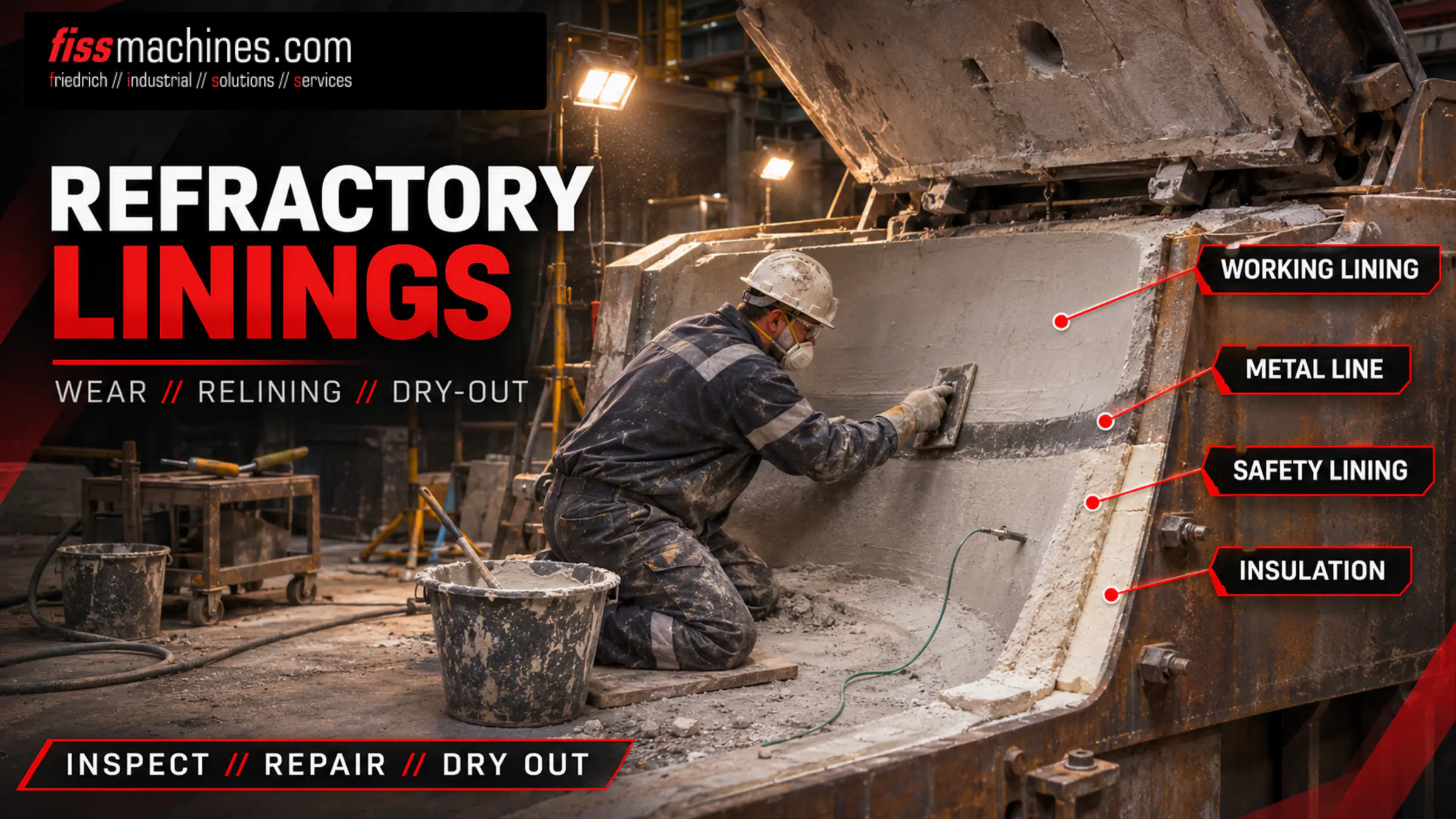
Refractory Linings in Aluminium Furnaces: Wear, Relining and Dry-Out
November 21, 2026
Knowledge
Corundum, metal infiltration and cleaning damage decide how long an aluminium furnace lining lasts. This article explains wear, repair or relining, dry-out and how to judge the lining of a used furnace.
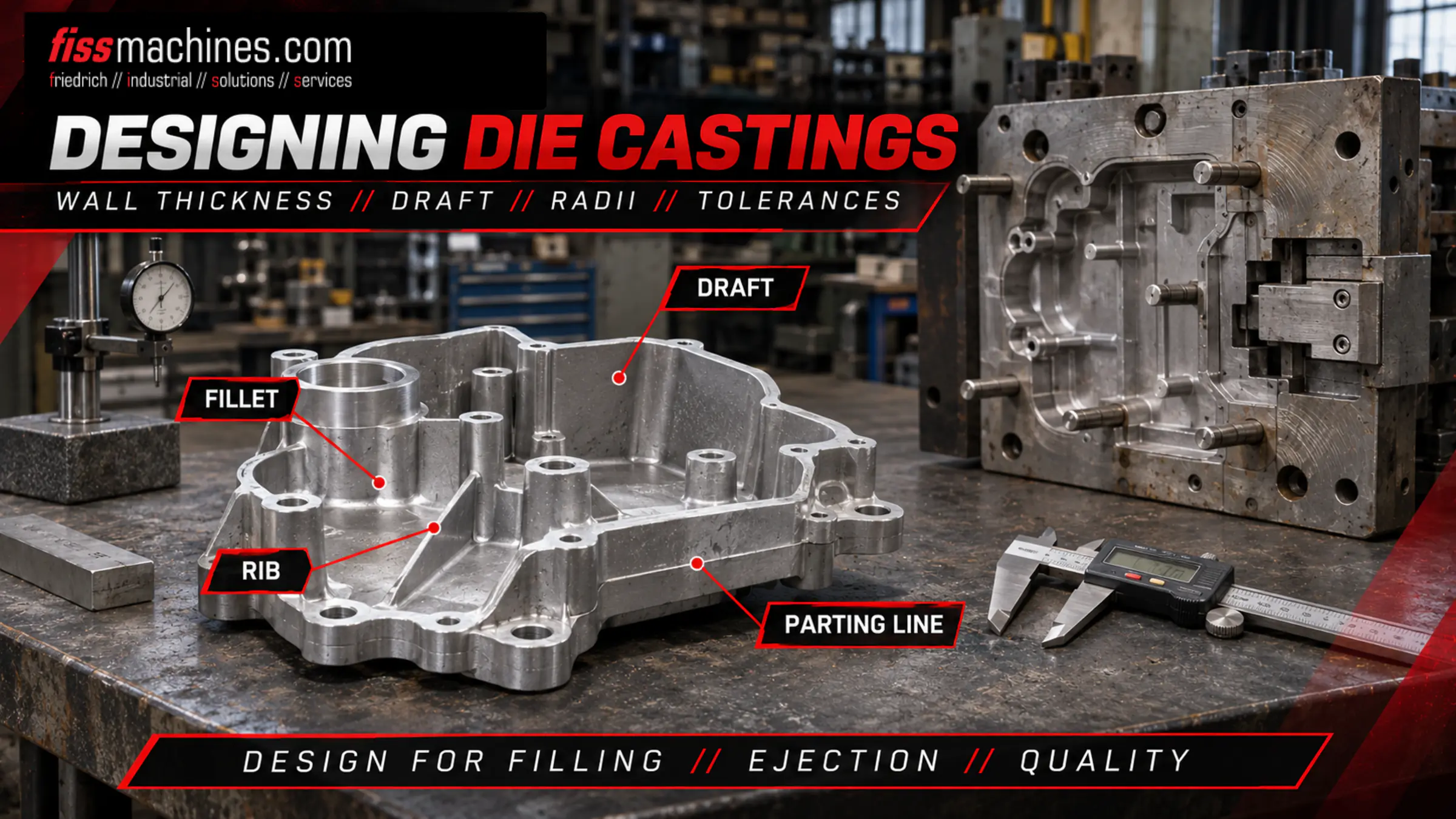
Designing Die Castings: Wall Thickness, Draft Angles, Radii and Tolerances
November 20, 2026
Knowledge
Most cost and quality problems of a die casting are fixed on the drawing. Rules for wall thickness, draft, radii, ribs, parting line, machining stock and tolerances to NADCA and ISO 8062-3:2023.
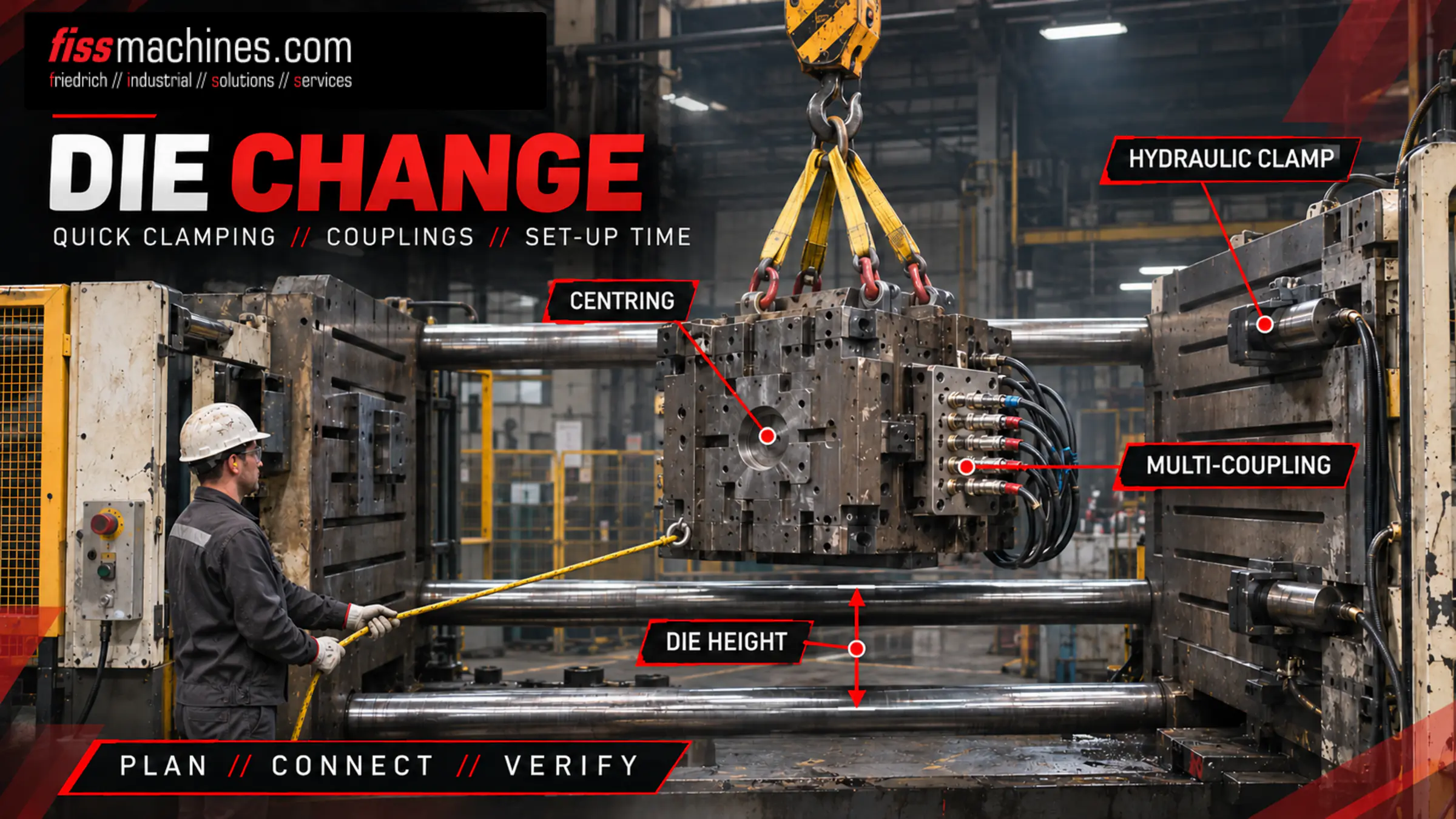
Die Change in Die Casting: Quick Die Change, Clamping Systems and Set-up Time
November 19, 2026
Knowledge
A die change stops the cell for hours. This article explains SMED logic, the change-over sequence, die clamping systems, multi-couplings and preheating – and what to check on a used machine.
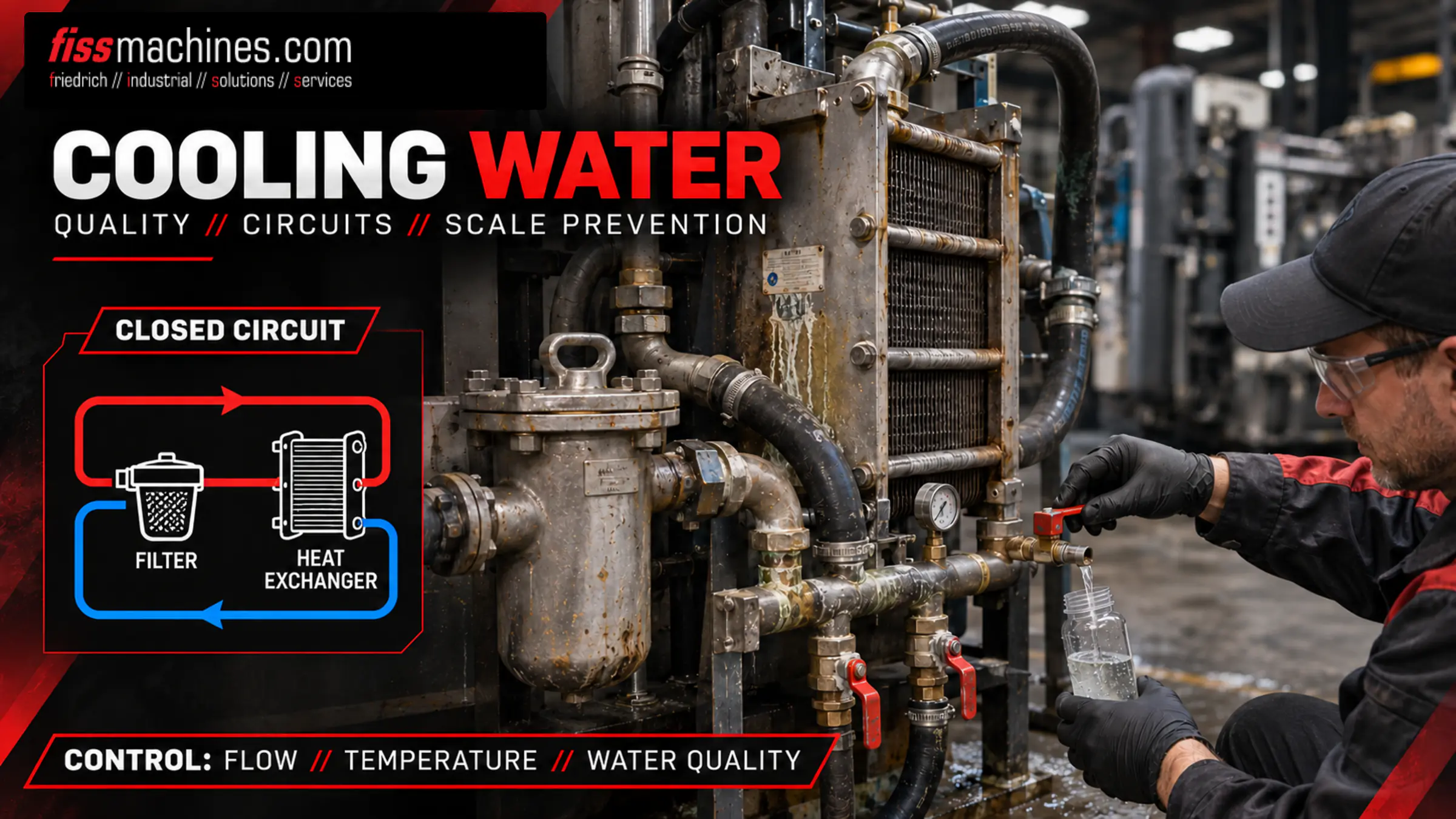
Cooling Water in Die Casting: Water Quality, Circuits and Scale Prevention
November 18, 2026
Knowledge
Dies, shot sleeves, oil coolers and furnaces all depend on the plant cooling water. This article explains circuits, water quality, scale prevention and hygiene rules for evaporative cooling.
