For bulky, oxide-rich or differently shaped recycling materials
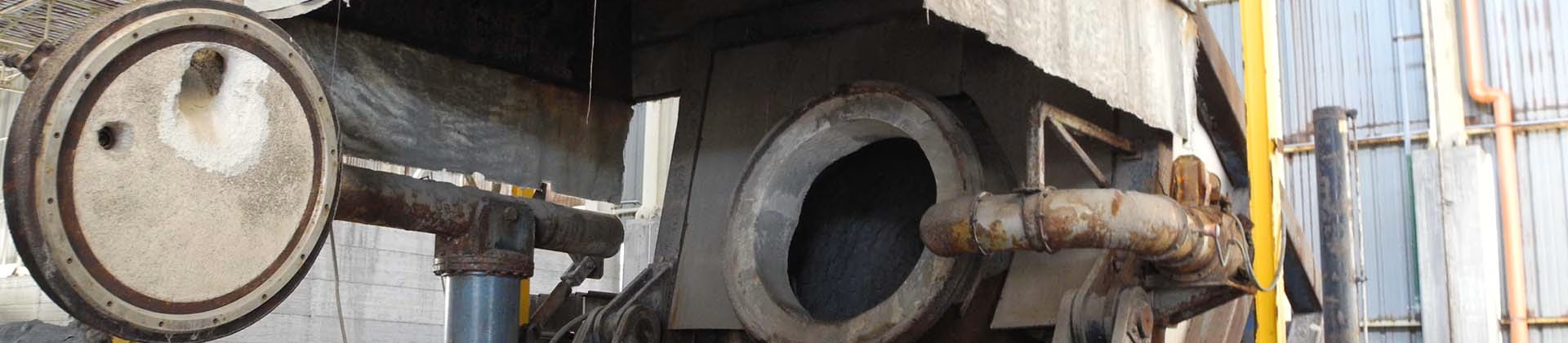
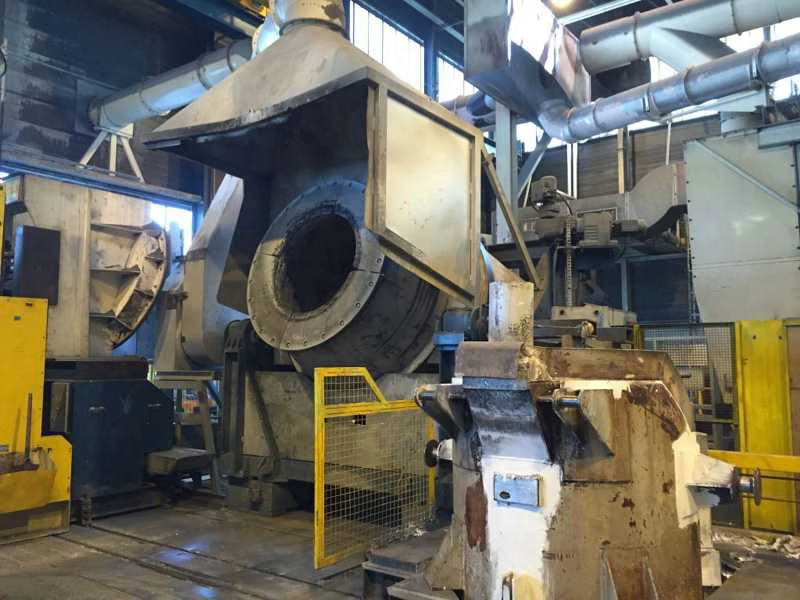
The rotating drum moves the material during the melting process. Tilting allows charging, process control and emptying to be adapted to the relevant operating phase.
Aluminium recycling furnaces remelt sorted scrap, chips, production returns, dross and other suitable aluminium residues. Depending on the material form, contamination and production objective, rotary drum furnaces, chip-melting furnaces, induction furnaces, crucible furnaces or tilting melting furnaces may be used.
Not every aluminium return material can be processed economically and safely using the same furnace technology. Form, surface, moisture and foreign-material content influence charging, heat transfer and metal recovery.
The performance of the complete system results from material preparation, charging, furnace processing, metal cleaning and the subsequent supply of molten metal.
The appropriate design depends on the material form, contamination, required throughput, available energy supply and the planned metal flow after remelting.
The rotating drum moves the material during the melting process. Tilting allows charging, process control and emptying to be adapted to the relevant operating phase.
Chip-melting systems are designed for the continuous or controlled feeding of small material quantities. Pretreatment and controlled submersion can limit oxidation and material loss.
Induction furnaces transfer electrical energy to the metal through an electromagnetic field. Power can be controlled quickly, while the induced bath movement influences the mixing of the molten metal.
Crucible furnaces or compact tilting furnaces can be used for manageable metal quantities, frequent alloy changes or decentralised metal supply.
Furnace movement influences the contact between the charge material, metal bath, furnace atmosphere and refractory lining. In a used system, the drum and auxiliary units must therefore be inspected as one complete system.
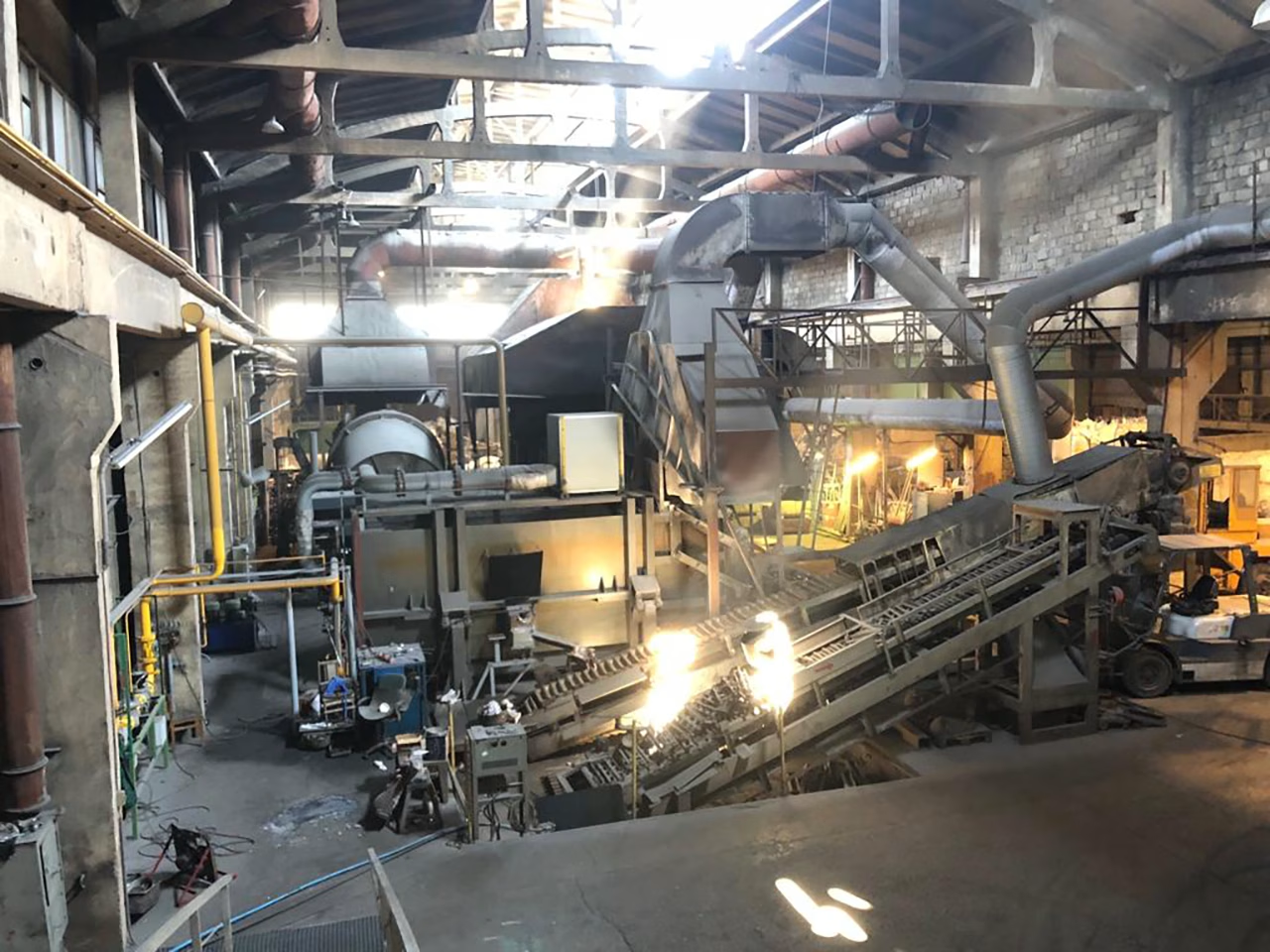
With a used recycling system, the scope of supply determines whether only the furnace or an almost complete material and metal flow can be reused.
The manufacturer and year of manufacture provide only an initial classification. The material analysis, throughput, recovery objective, energy supply and complete system peripherals are decisive.
A high recovered metal quantity alone is not sufficient. The produced molten aluminium must also be suitable for the intended alloy correction and further processing.
A reliable condition assessment must include the furnace, mechanical movements, heating system, refractory lining, exhaust treatment, control system and all auxiliary equipment.
Recycling furnaces are heavy, thermally stressed systems with extensive peripheral equipment. Successful reuse therefore begins with complete documentation at the existing location.
Depending on availability, the range may include individual melting furnaces, rotary drum furnaces, holding furnaces and complete recycling systems with charging equipment, molten-metal transport, correction furnaces or ingot-casting equipment.
Aluminium recycling systems are frequently combined with additional melting, holding, dosing or induction furnaces.
FISS supports the search for a suitable aluminium recycling furnace and its technical assignment based on the charge material, alloy, throughput, batch volume, furnace design, heating system, metal recovery, exhaust treatment, charging equipment and downstream metal flow. If no suitable system is currently listed, FISS can conduct a targeted search through its international network for an appropriate solution.
When selling equipment, FISS supports condition assessment, technical documentation, dismantling planning and international marketing of individual recycling furnaces and complete aluminium recycling systems. In addition to brokerage and international marketing, direct purchase by FISS may also be an option depending on the project.